

Jamia Masjid
Bait ul Mukarram
One of Karachi's largest mosques and a centre of Islamic learning for four decades. The spiritual home of NooreSunnat's audio legacy.
Overview
The Honored House — بیت المکرم
Bait ul Mukarram is an Arabic name meaning "The Noble House" or "The Honored House." Jamia Masjid Bait ul Mukarram, situated on Main University Road in Block 8, Gulshan-e-Iqbal, Karachi, is one of the most prominent, spacious, and well-planned mosques in the city.
It was established in the early 1980s — around 1983 — on land allocated for a mosque in one of the city's busiest residential and commercial areas. Baitul Mukarram Masjid operates under the umbrella of Jamia Darul Uloom Karachi, the renowned Islamic university founded by the eminent scholar and luminary Hazrat Maulana Mufti Muhammad Shafi Sahab Rehmatullah Alaih and currently headed by his illustrious son, and one of top scholars in the Islamic world today, Hazrat Maulana Mufti Muhammad Taqi Usmani Sahab Damat barakatuhum.
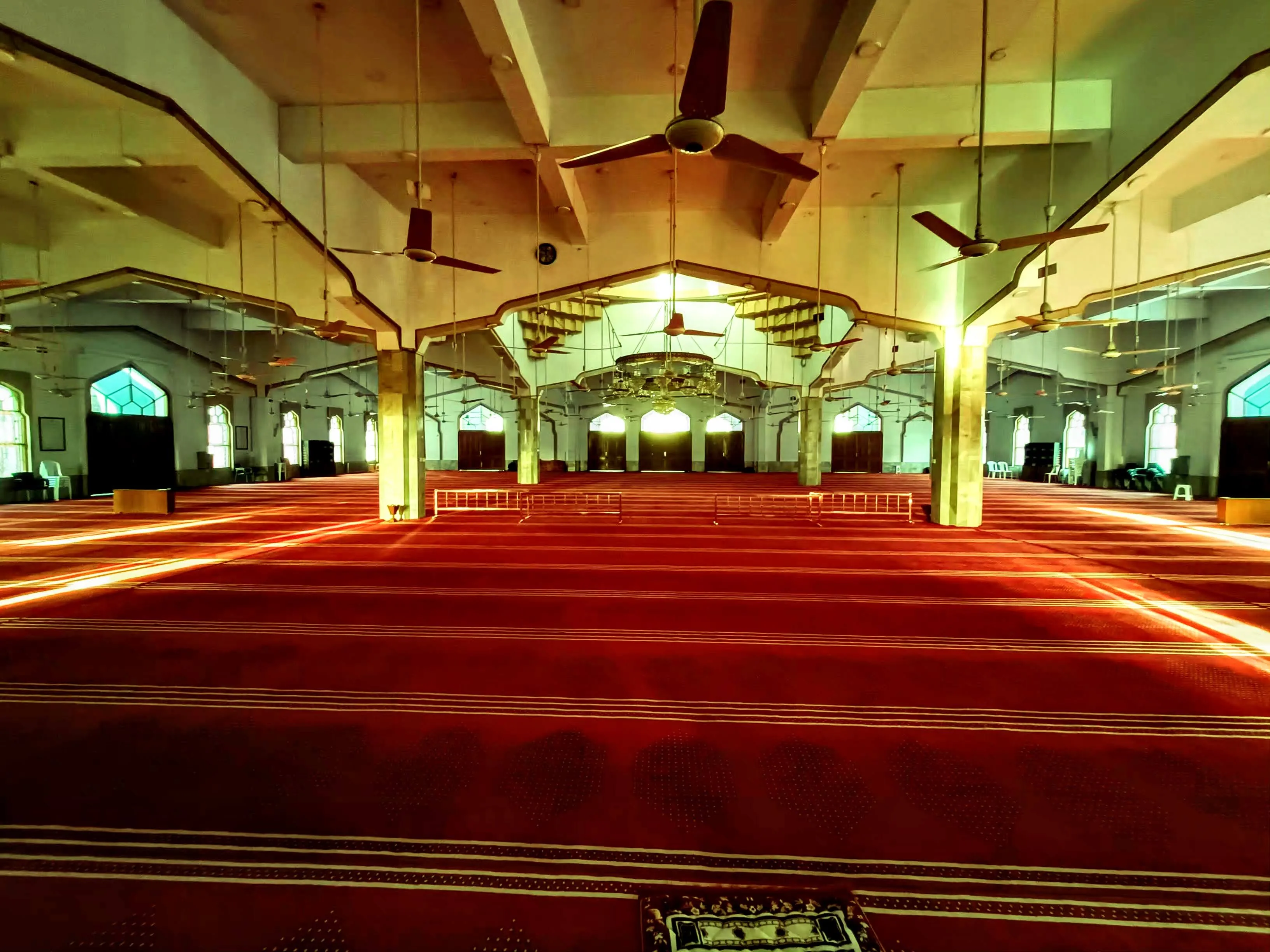
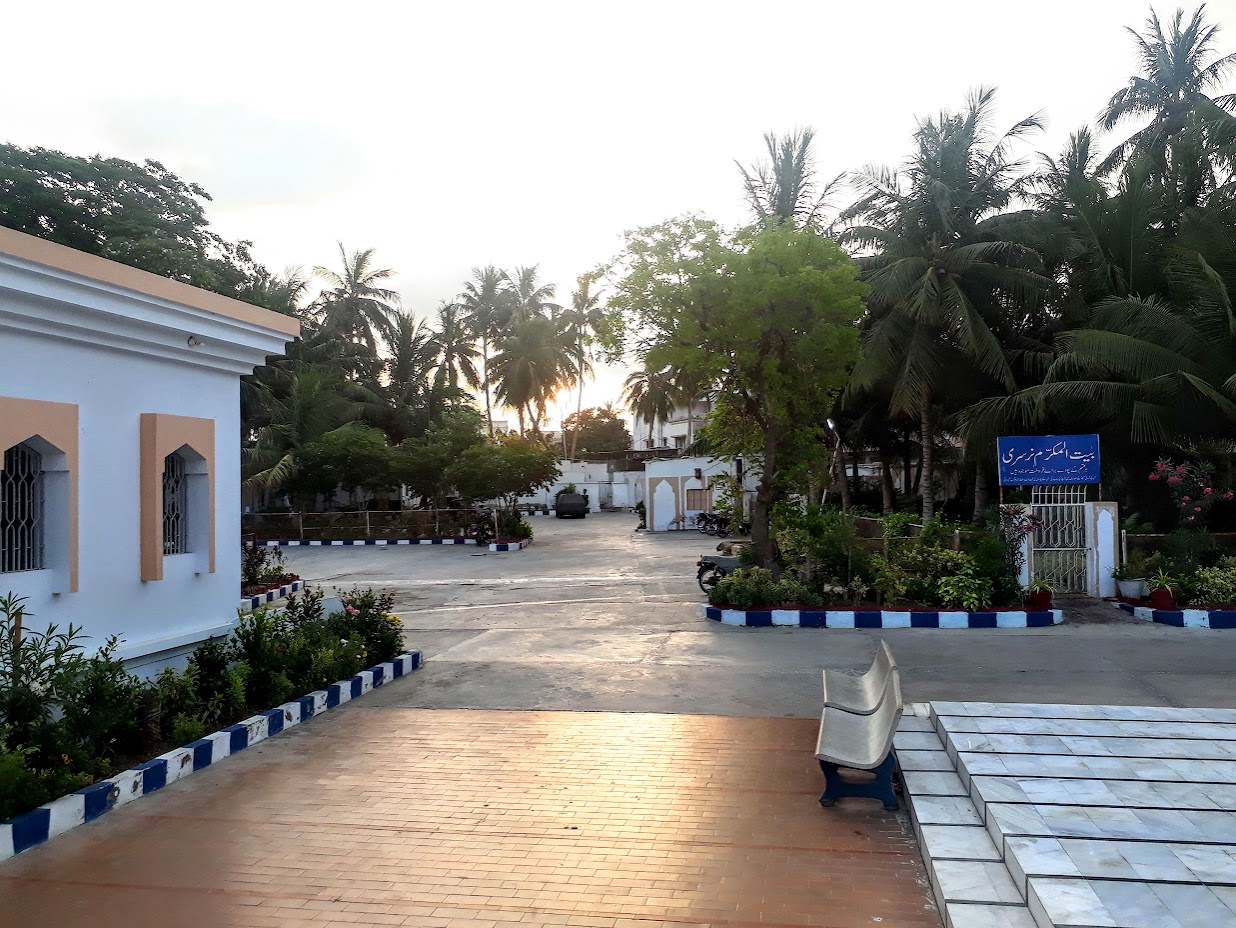
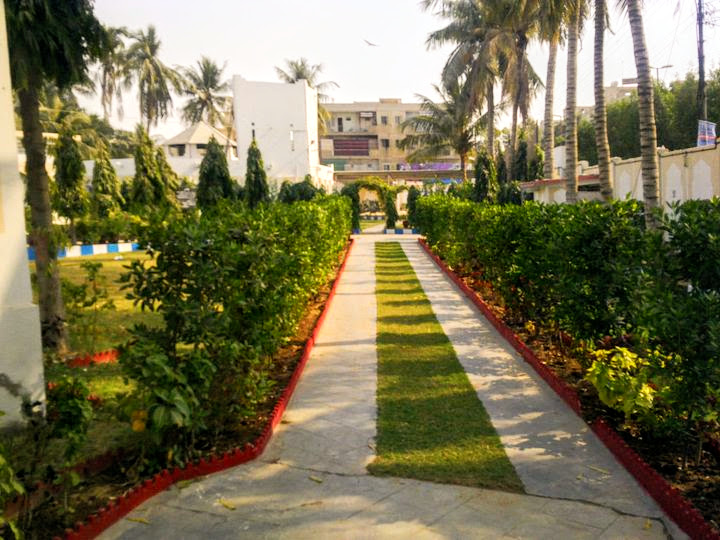
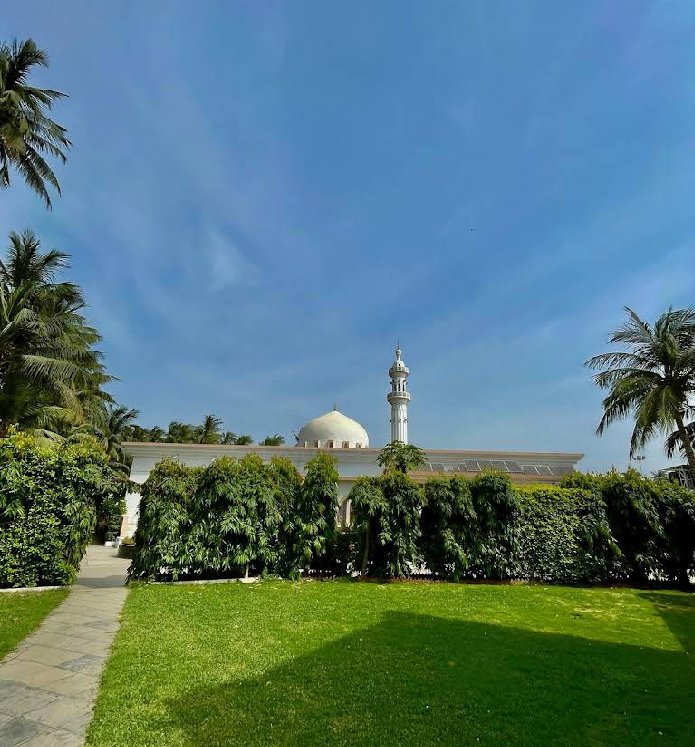
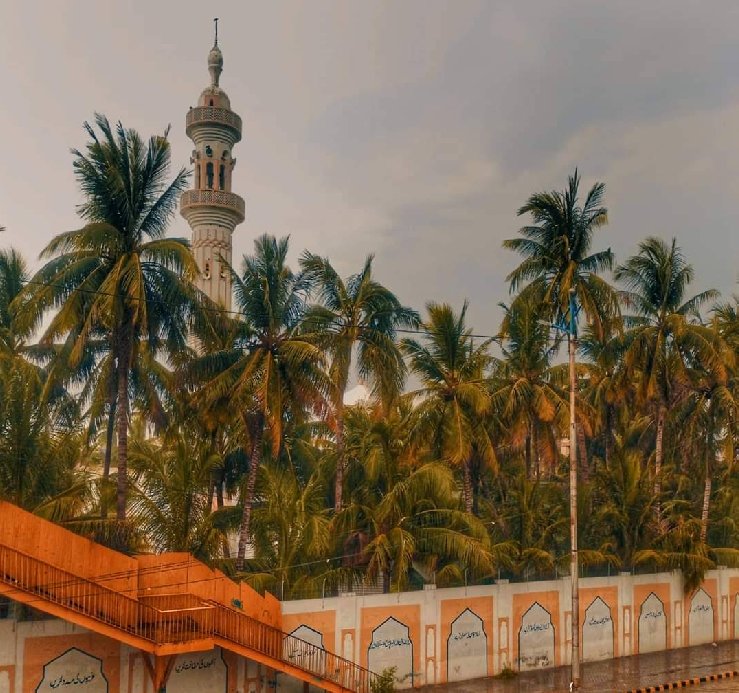
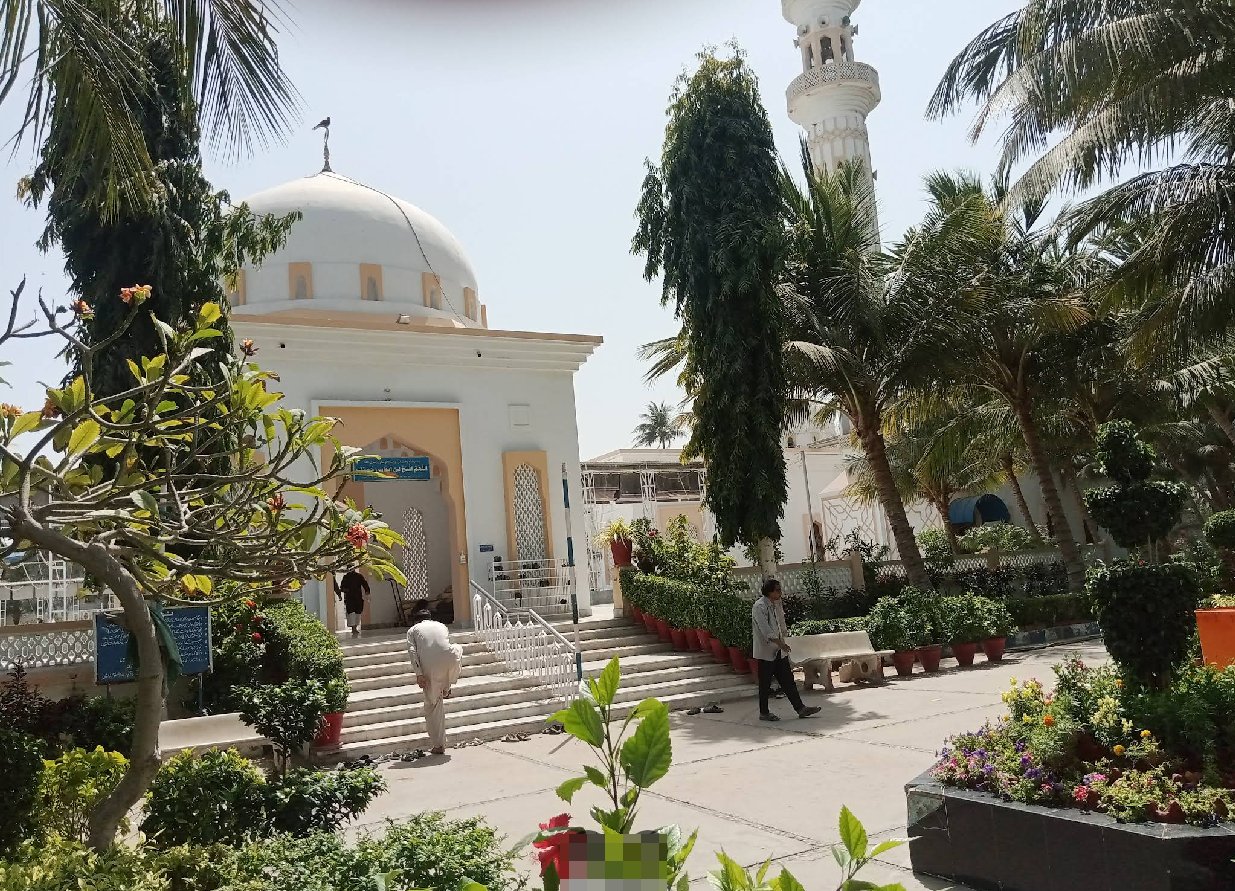
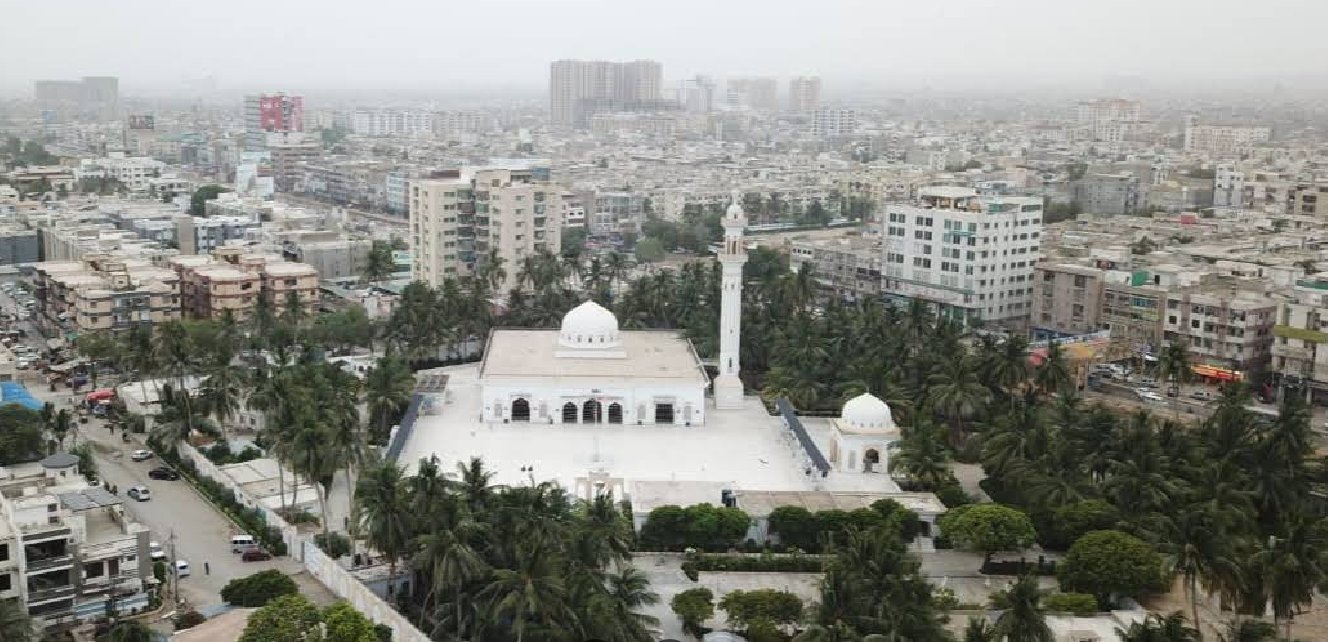
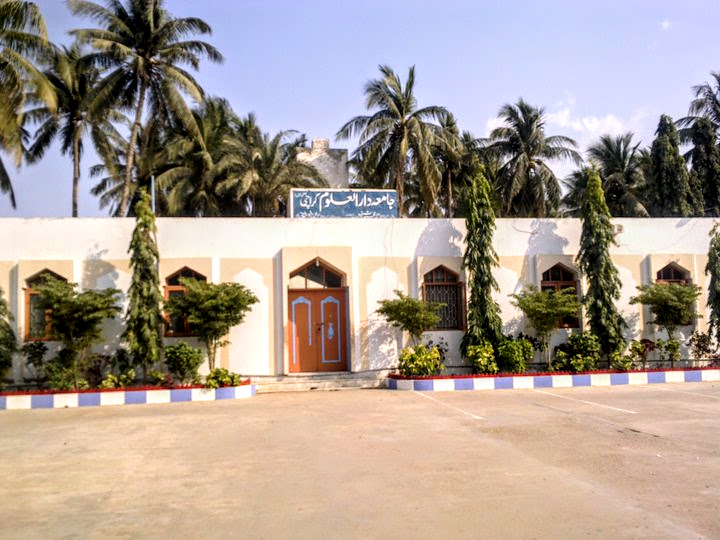
Jamia Masjid Bait ul Mukarram spans approximately 5 acres of boundary-walled land and accommodates between 6,000 and 7,000 worshippers when the prayer hall and courtyard are fully occupied. On Eid and special occasions, the overflow extends throughout the grounds, significantly exceeding this figure. Despite sitting at one of Karachi's busiest intersections — flanked by Urdu University, the Expo Centre, and the Hakeem Muhammad Saeed playground — the mosque grounds feel remarkably quiet. Dozens of coconut palms inside the boundary wall filter the noise and create an atmosphere that visitors consistently describe as serene and unhurried.
Do not confuse this mosque with the Baitul Mukarram National Mosque in Dhaka, Bangladesh. The two share a name but have no organizational or historical connection.
Architecture & Grounds
What You'll Find Inside the Boundary Wall
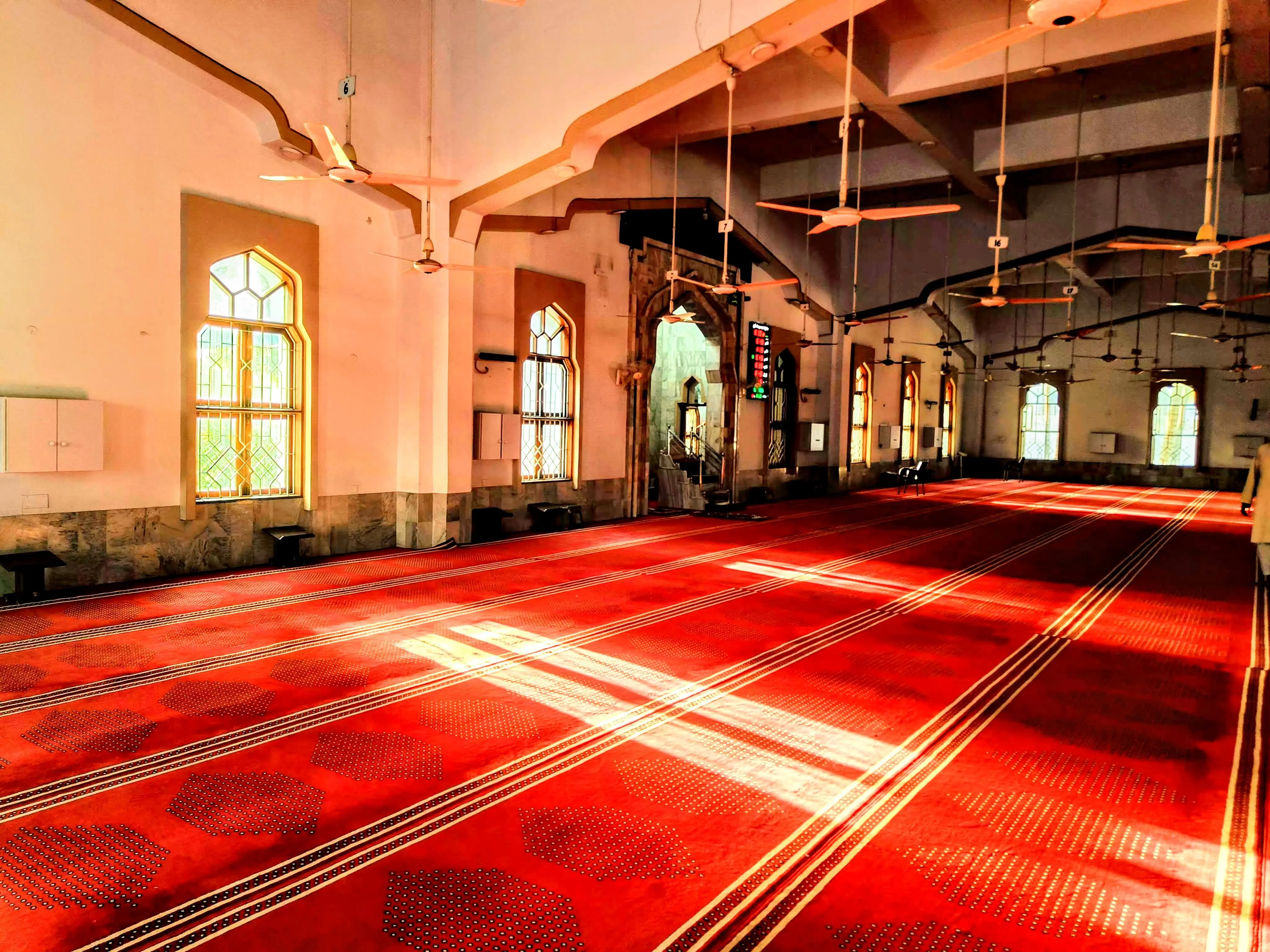
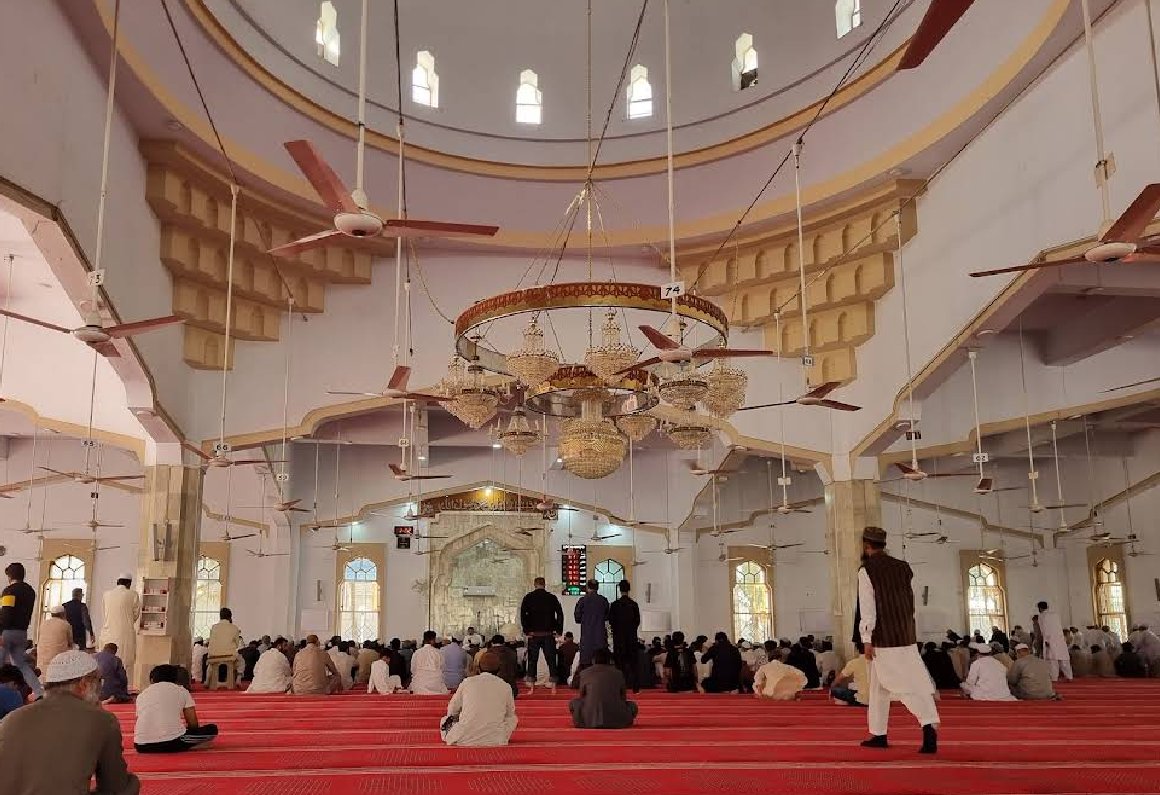
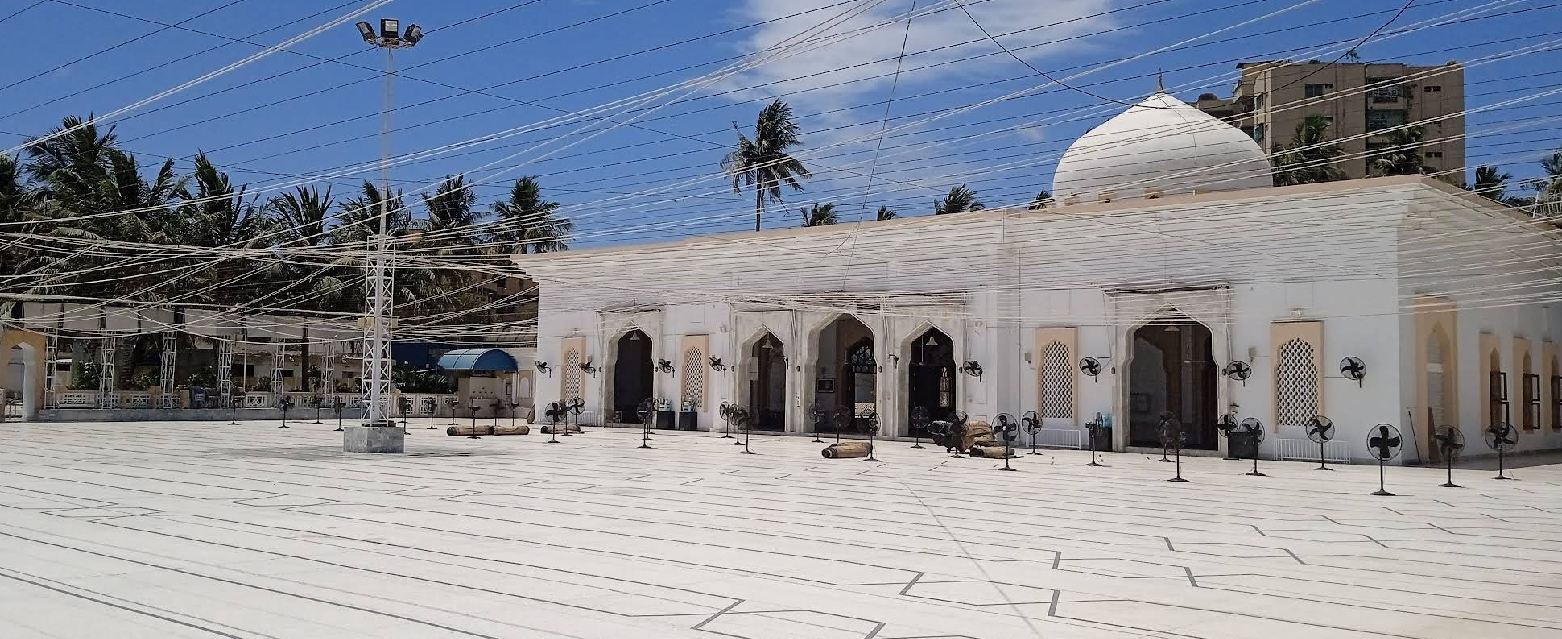
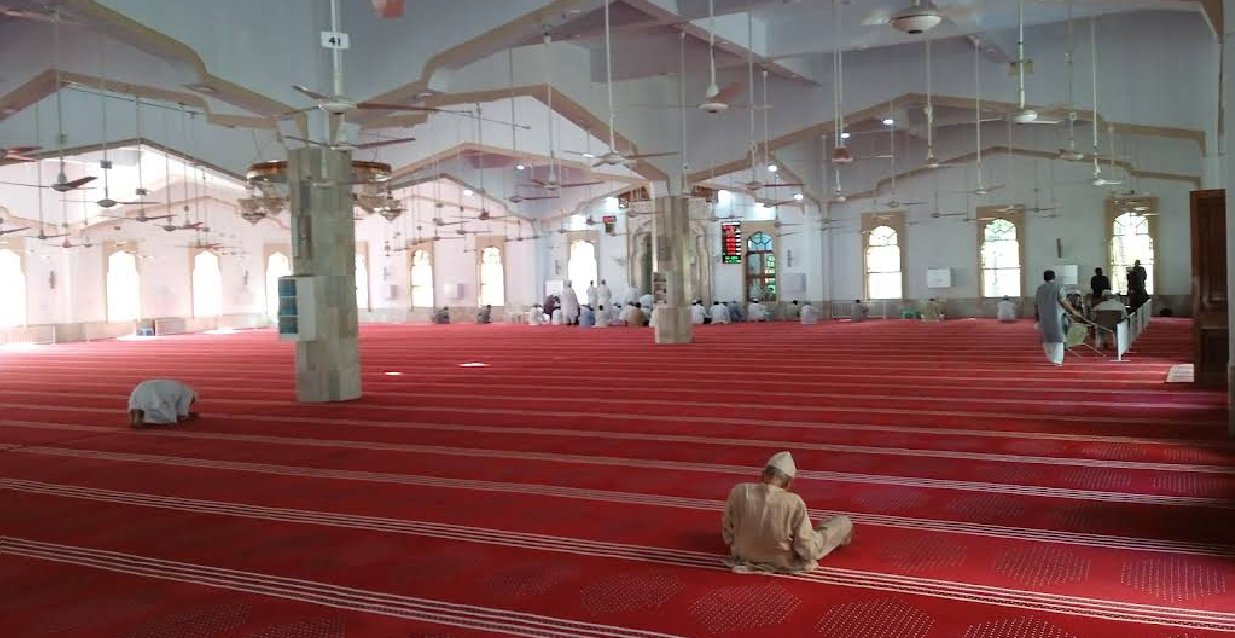
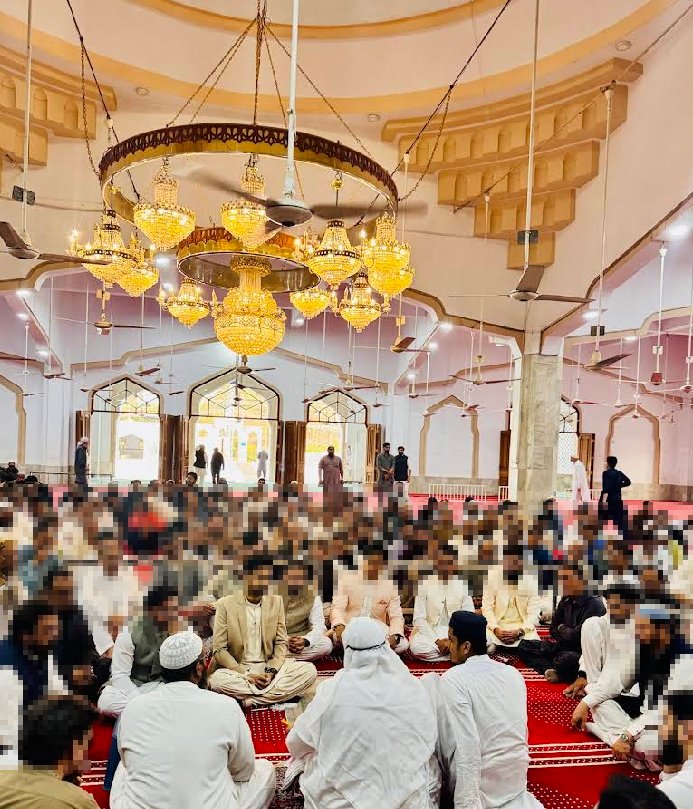
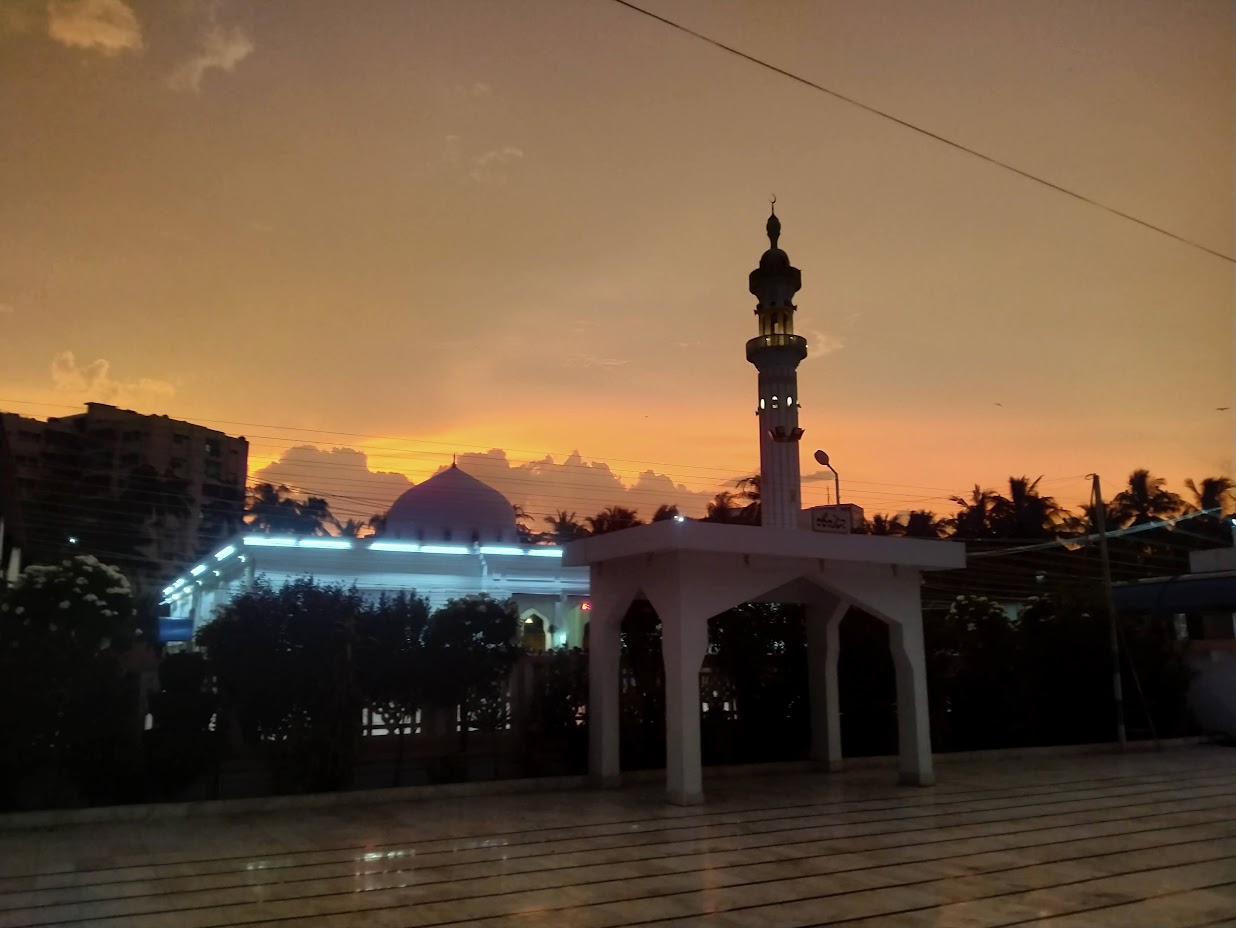
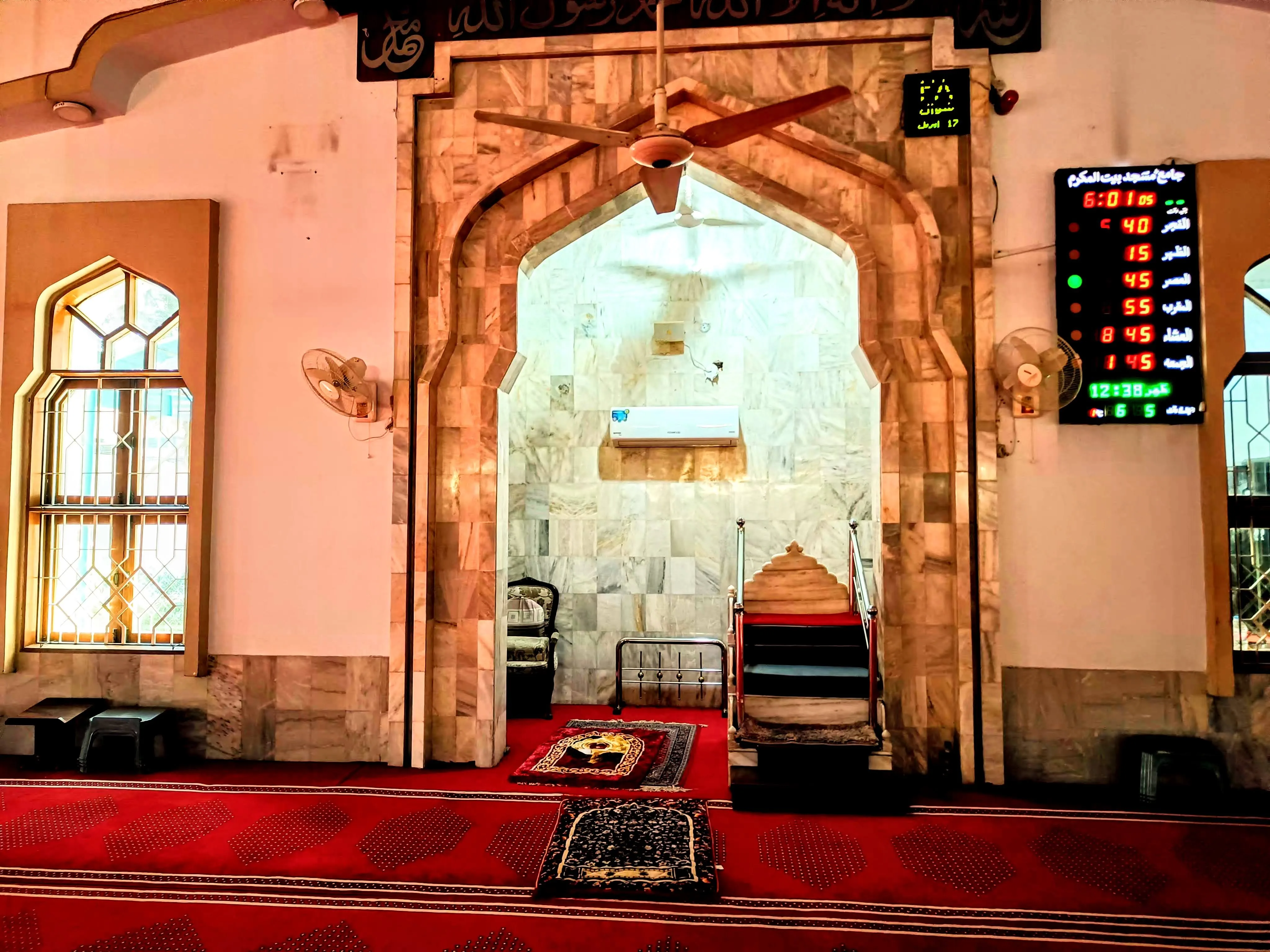
The mosque building itself is finished in white marble and features a central dome flanked by a single elegant minaret — a landmark visible from University Road and from the elevated flyovers nearby. The prayer hall is large and airy, with ornate chandeliers, arched windows that let in natural light, and a deep red carpet that runs the full length of the hall. On a regular afternoon, a handful of people will be scattered across it in quiet prayer; on Juma, every inch fills.
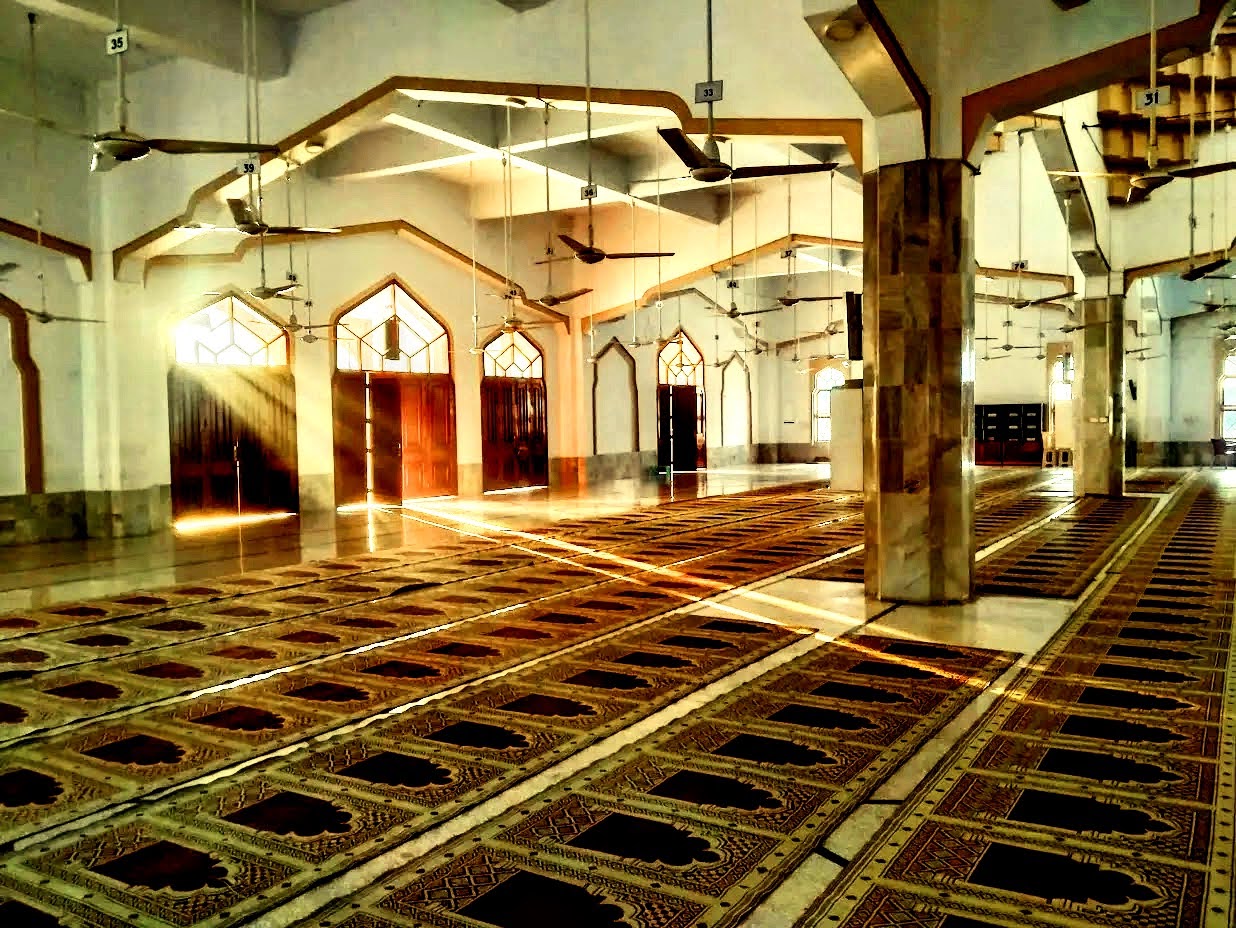
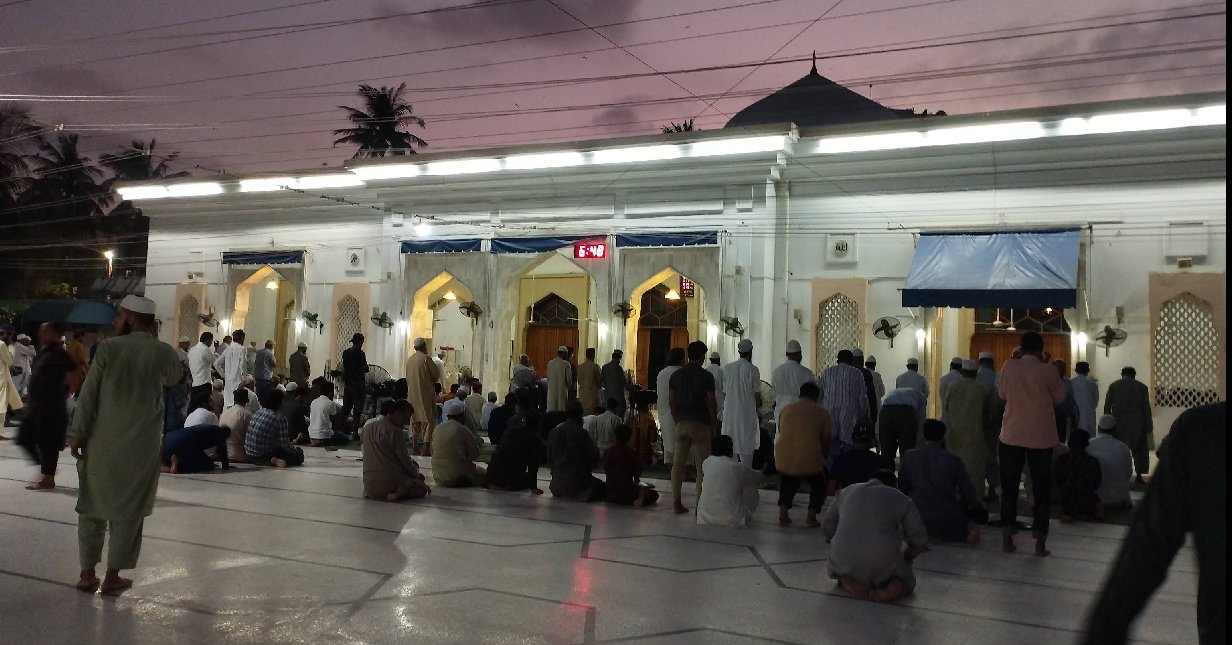
The sahn — the open marble courtyard — extends in front of the main hall and accommodates the overflow for larger congregations. Evening prayers here, as the sky shifts to purple and the palms sway, is an experience that many regular visitors rank among the most peaceful in the city.
Archive Photography
Through the Decades
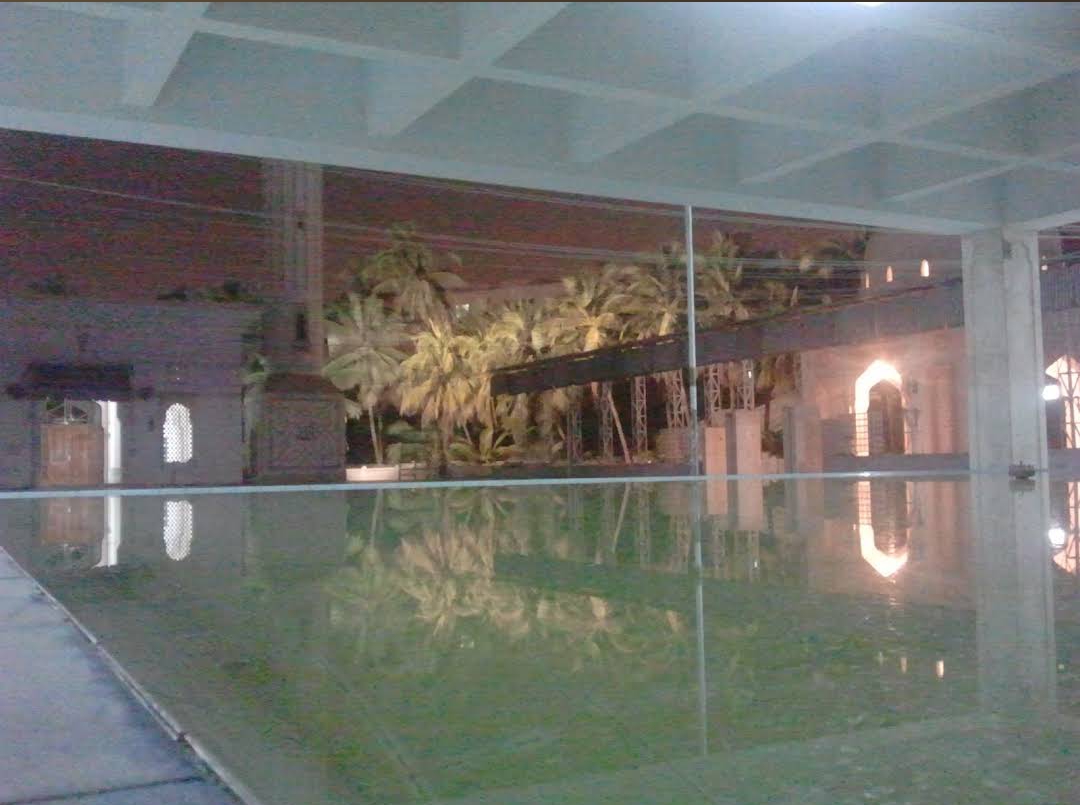
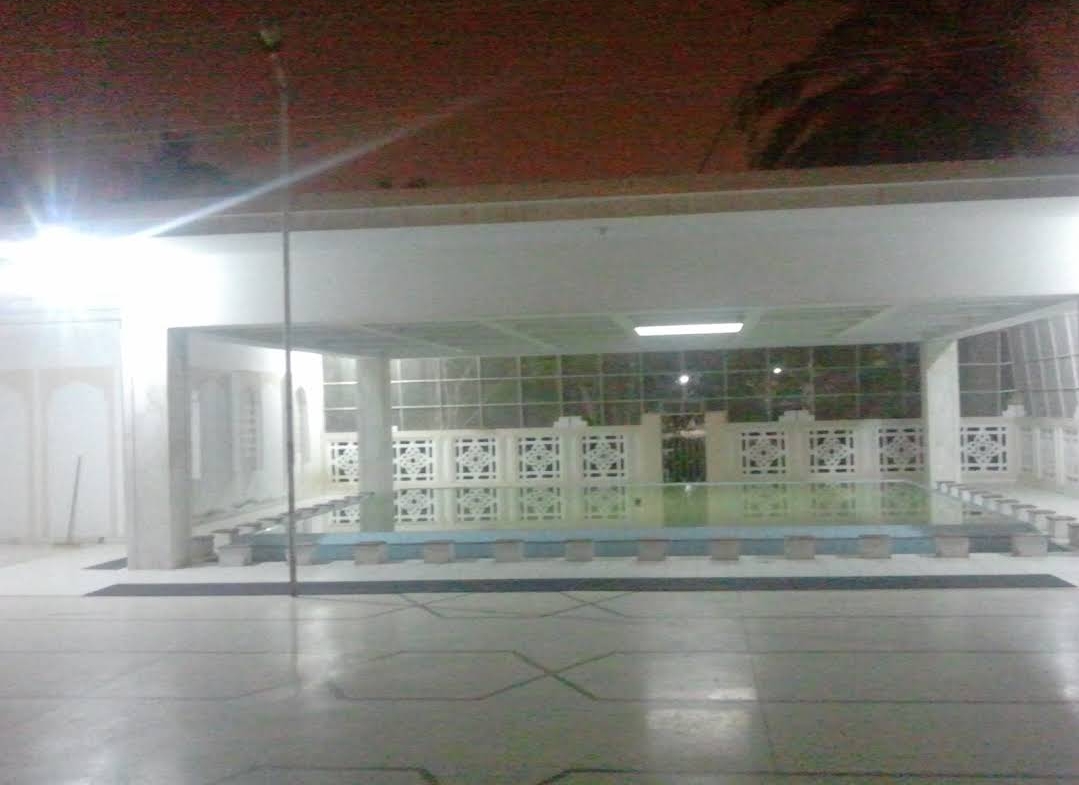
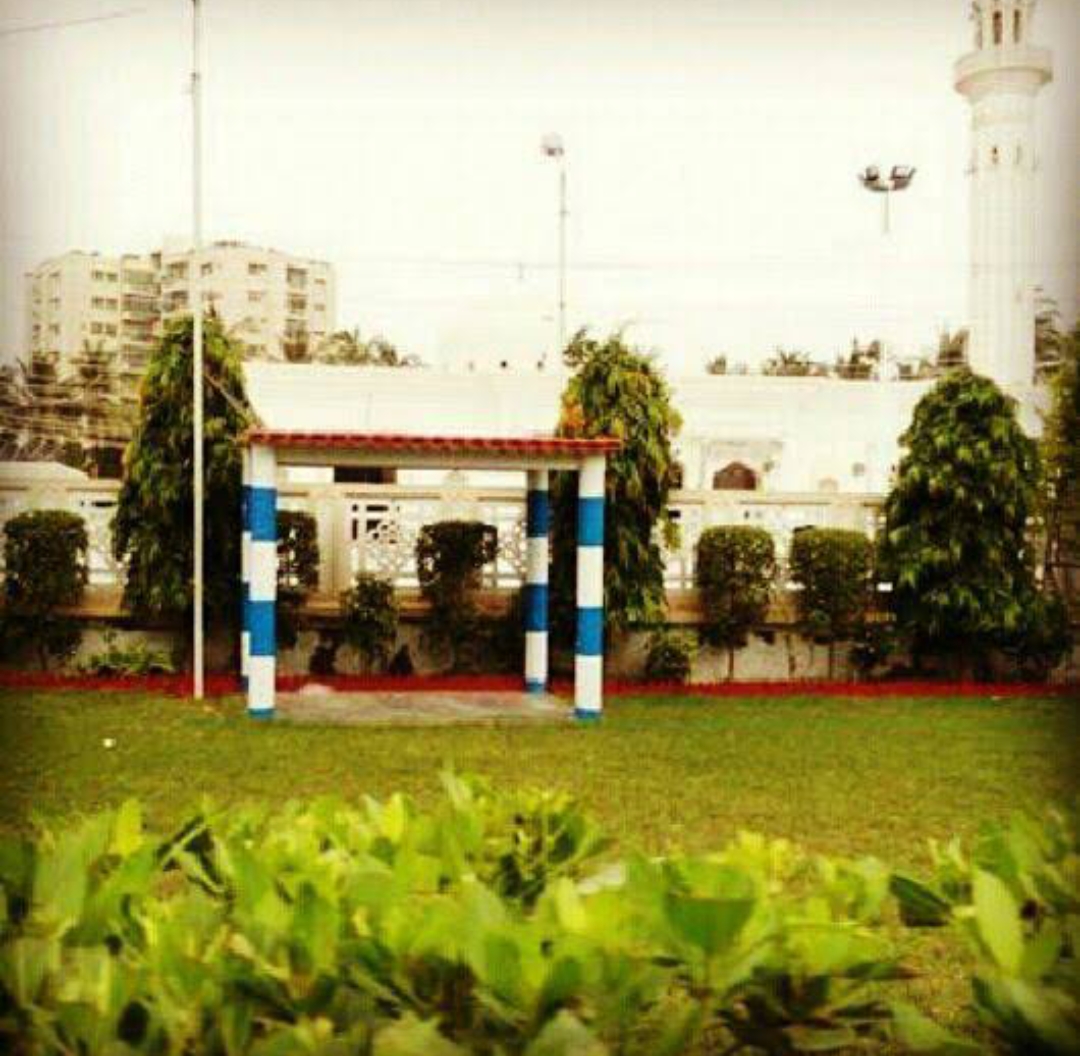
These photographs were taken in Bait ul Mukarram's early decades, when Gulshan-e-Iqbal was still a relatively open neighbourhood and the mosque grounds had not yet filled in. The coconut palms that now tower above the boundary wall are visible here as young saplings. The surrounding skyline is low-rise, the open plots visible in every direction.
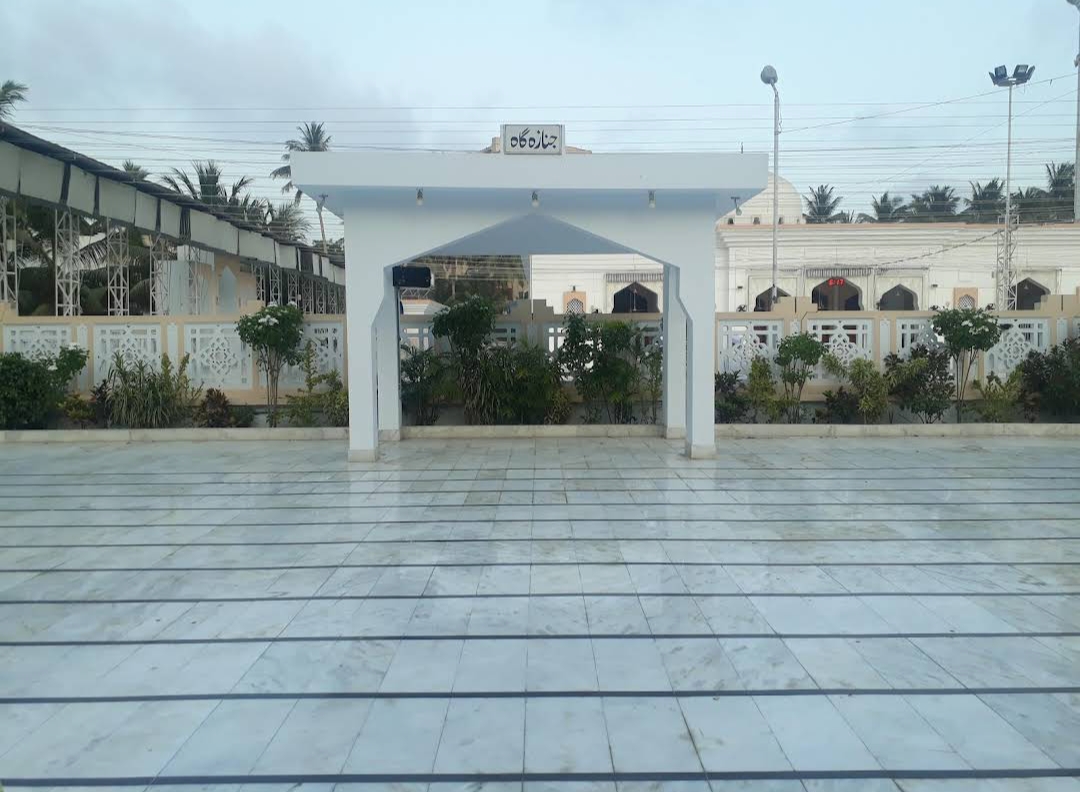
Some of what you see here no longer exists — the original wuzu pool has been dismantled, and the old janazah gah structure has been replaced. The main building, the dome, the minaret, and the sahn remain unchanged. What grew is everything around them.
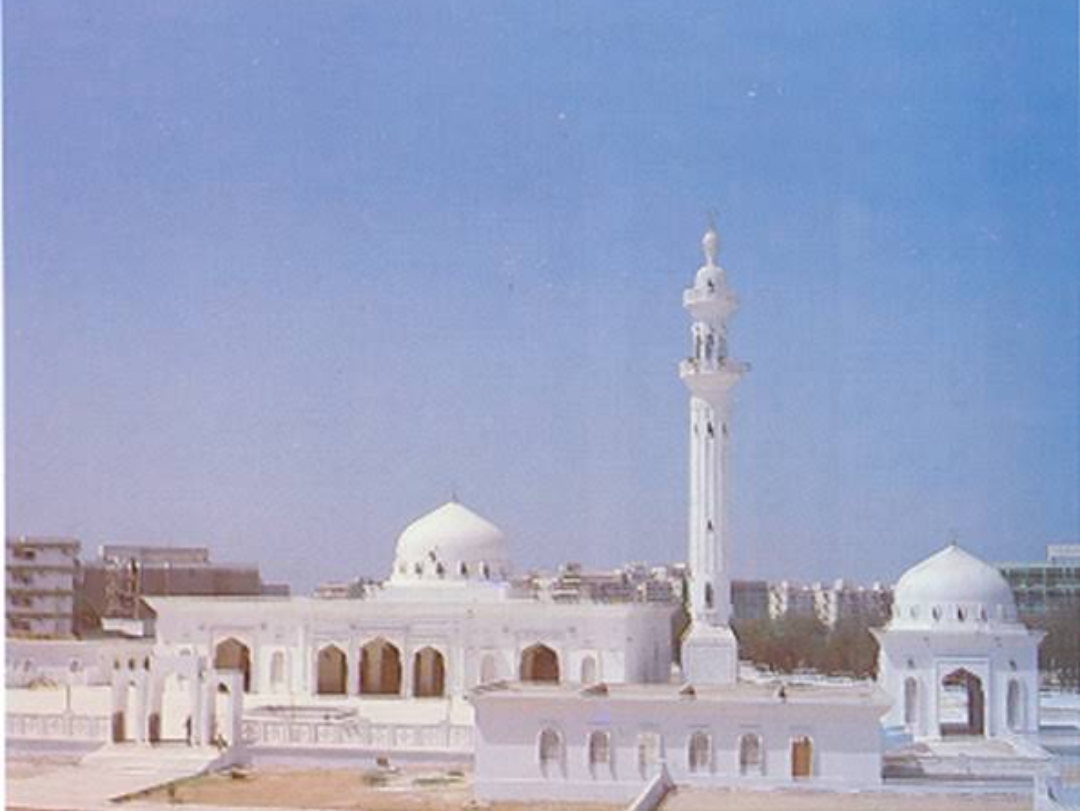
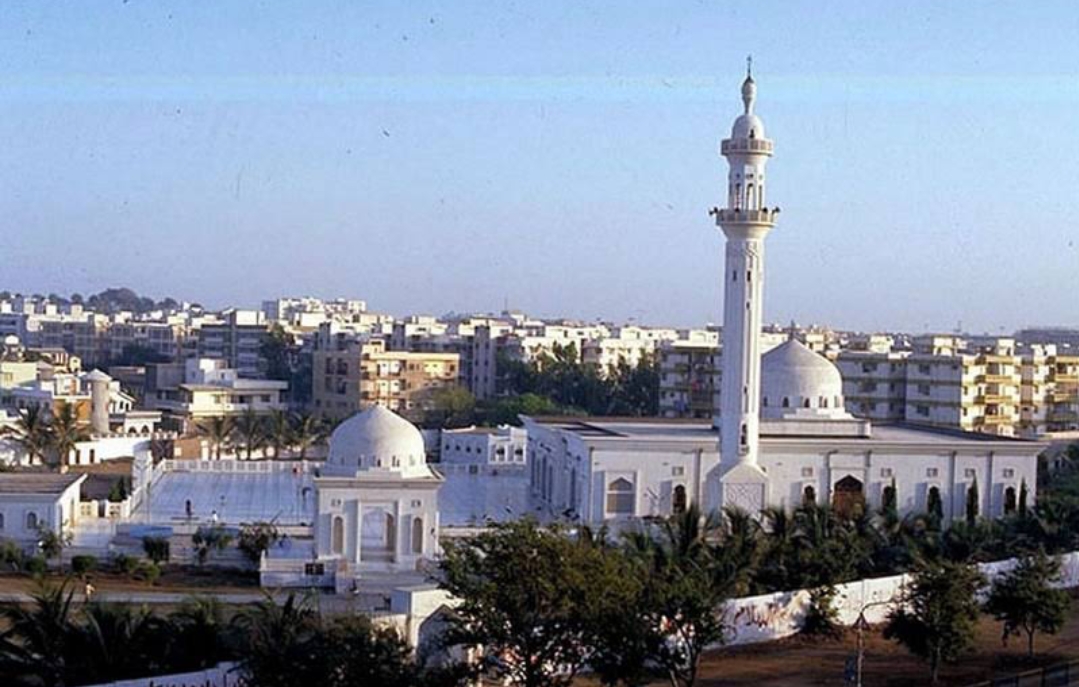
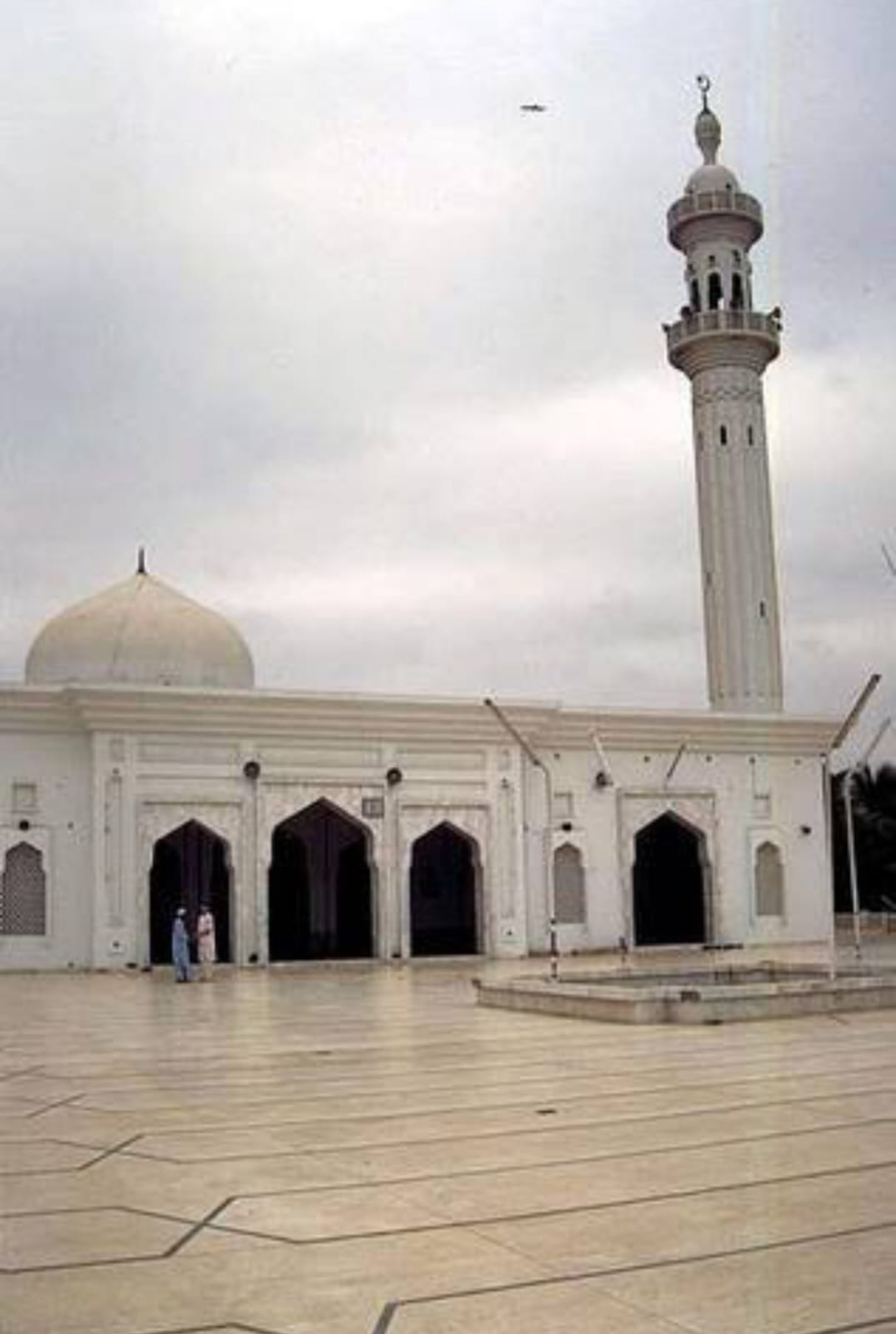
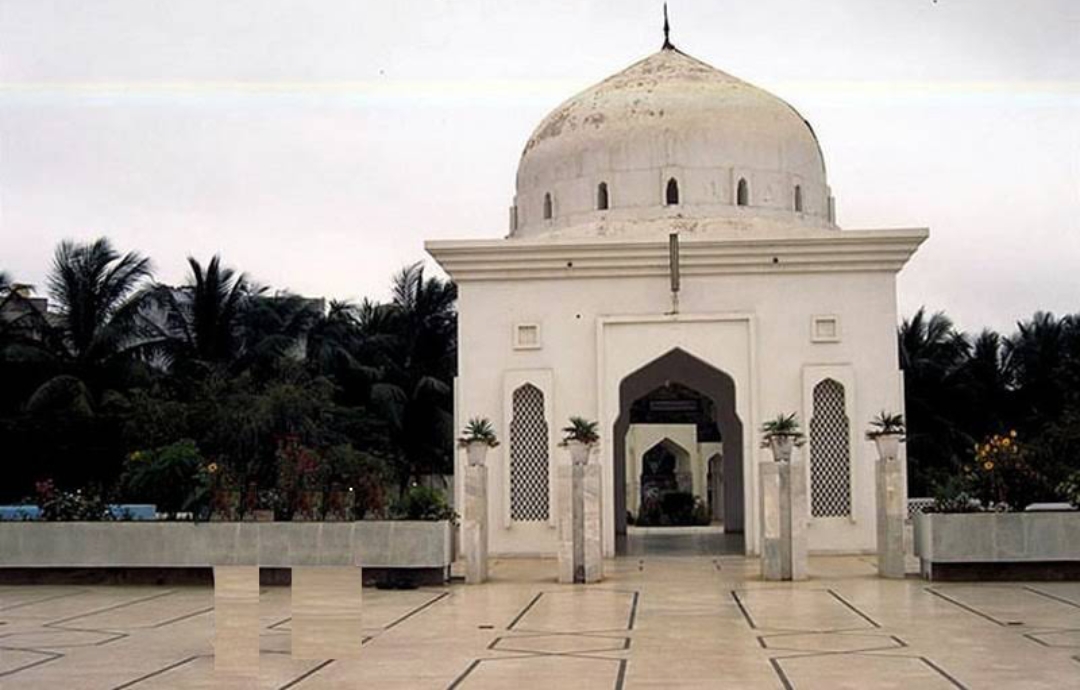
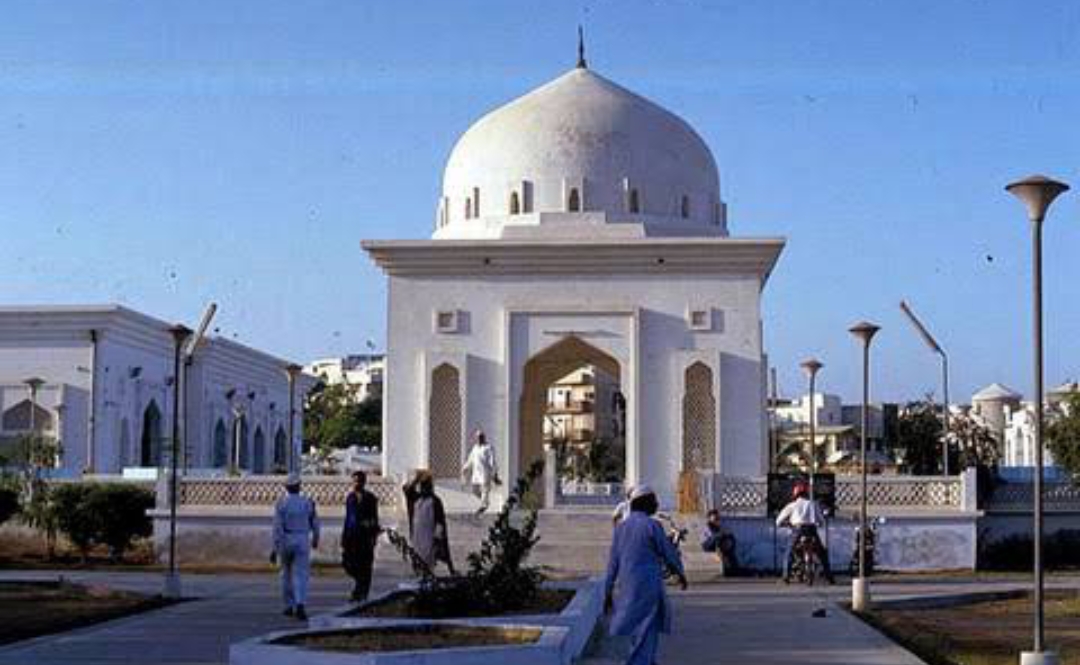
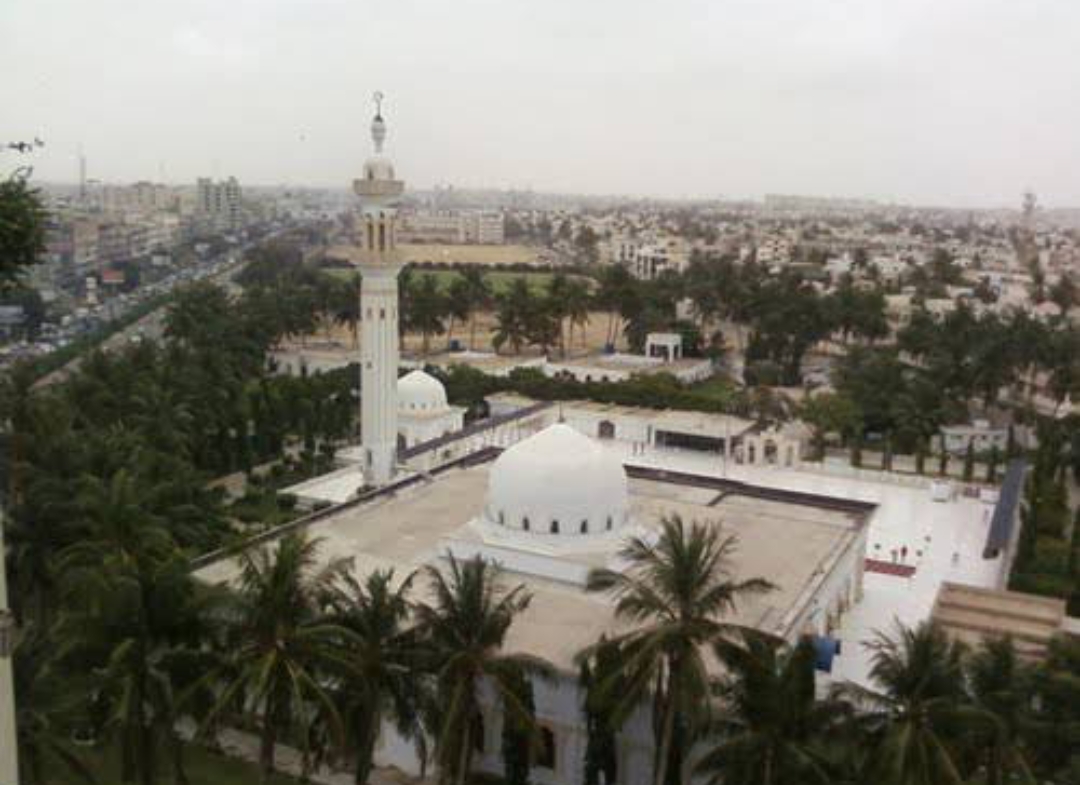
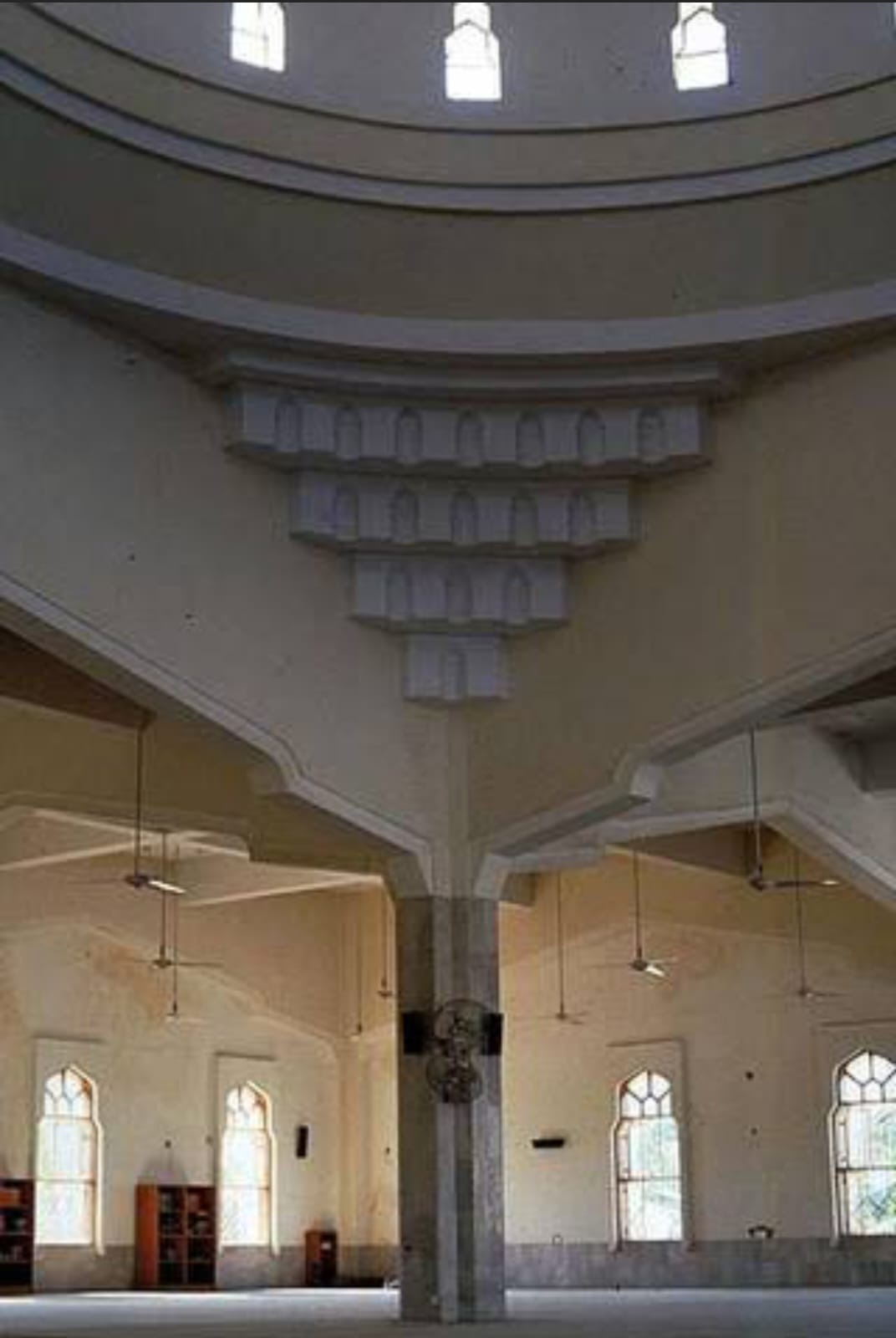
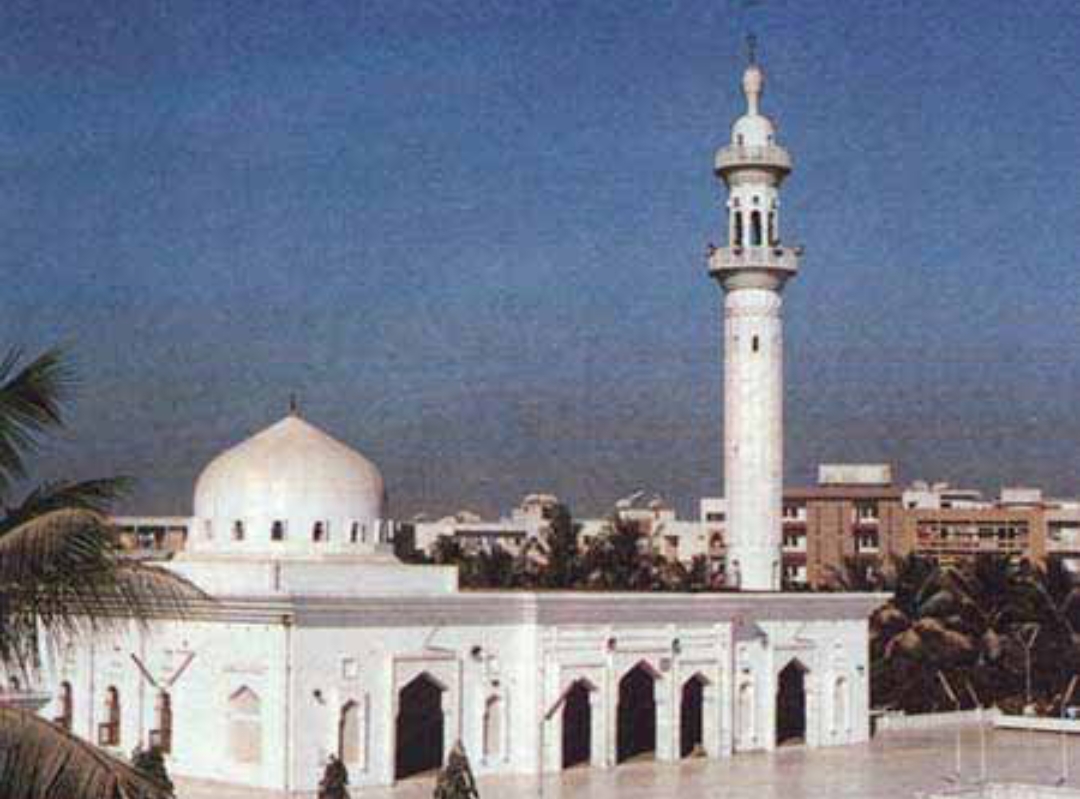
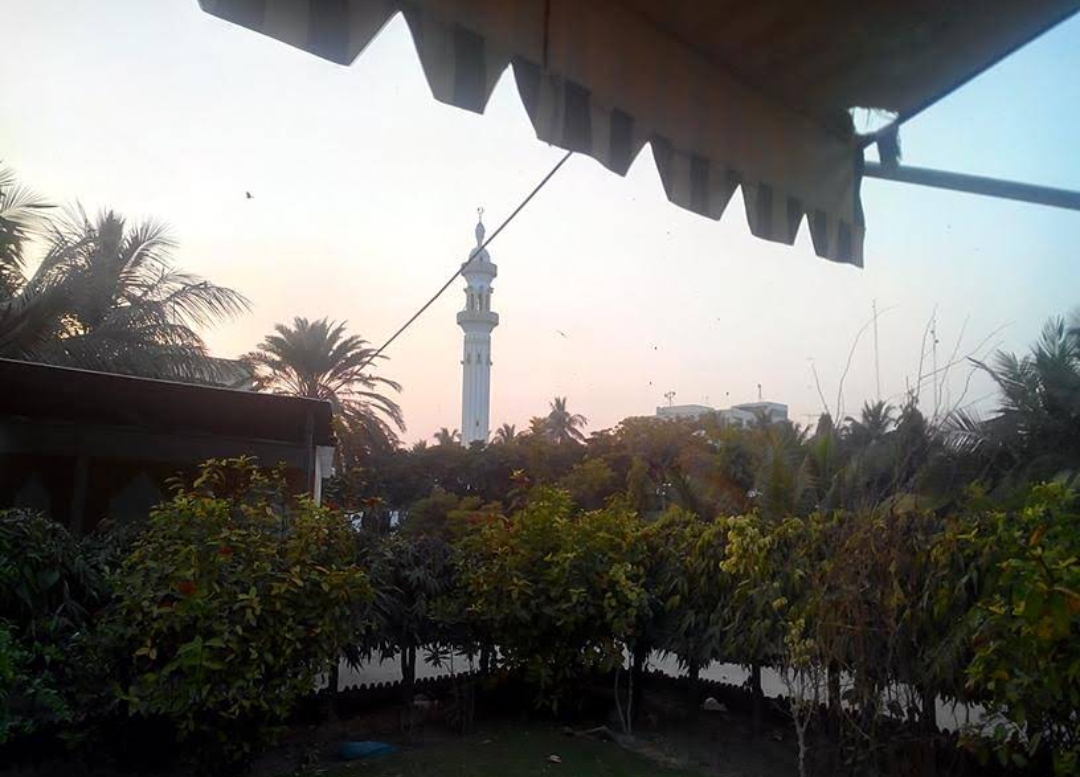
Two features visible in the early photographs have since been removed or replaced. The original wuzu pool — a large open water basin in the courtyard used for ablution — was dismantled as part of later renovation works. The original janazah gah structure, a distinctive domed pavilion used for funeral prayers, has been replaced by the current modern facility. Both are documented here.
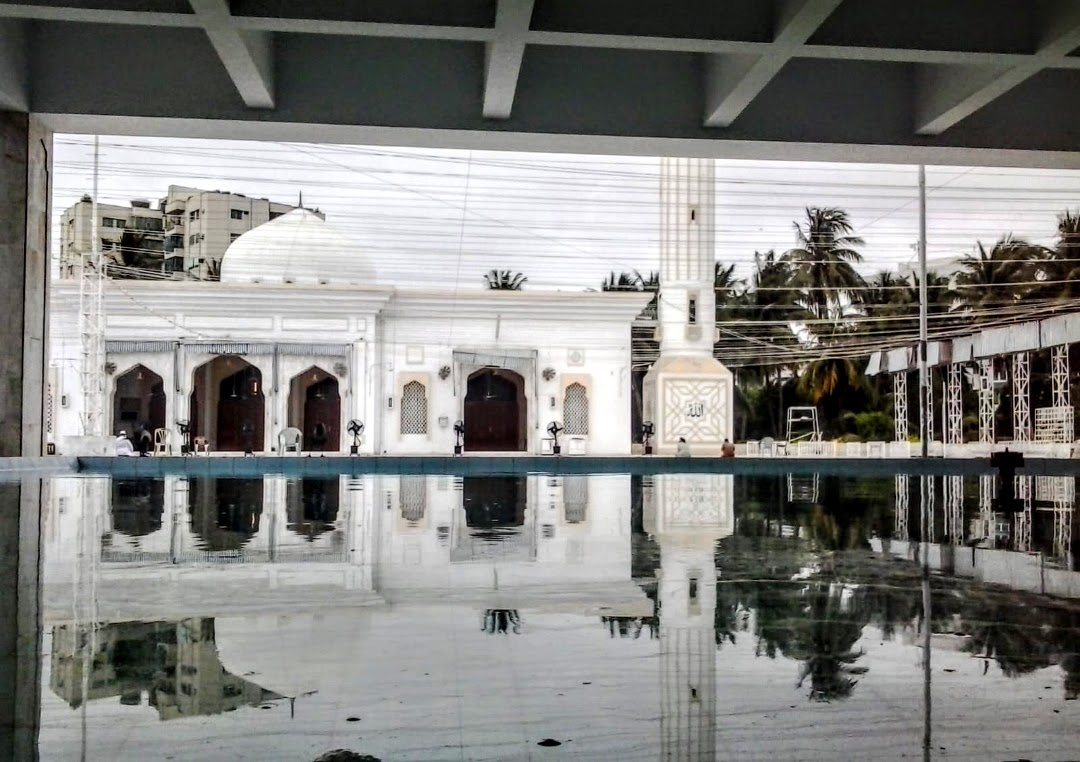
Photography
A Glimpse of the Masjid
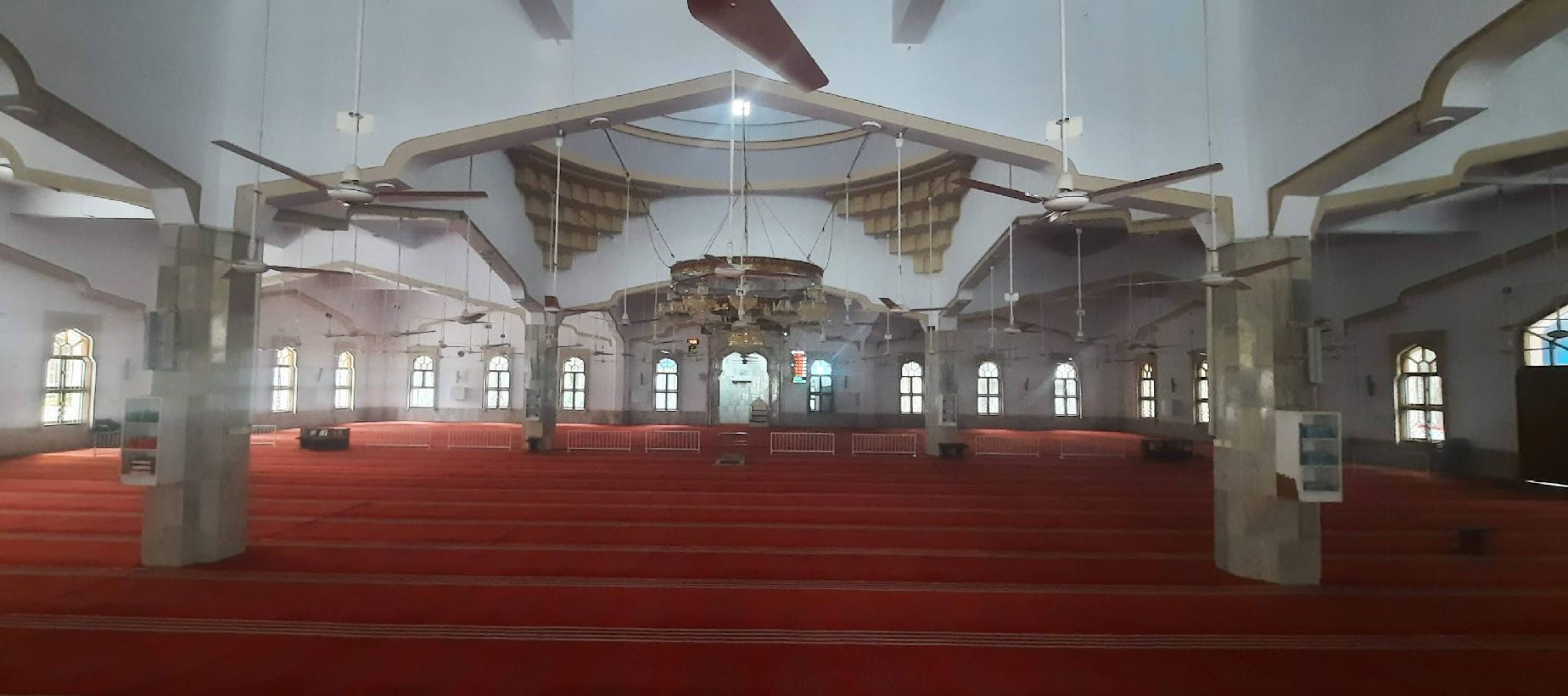
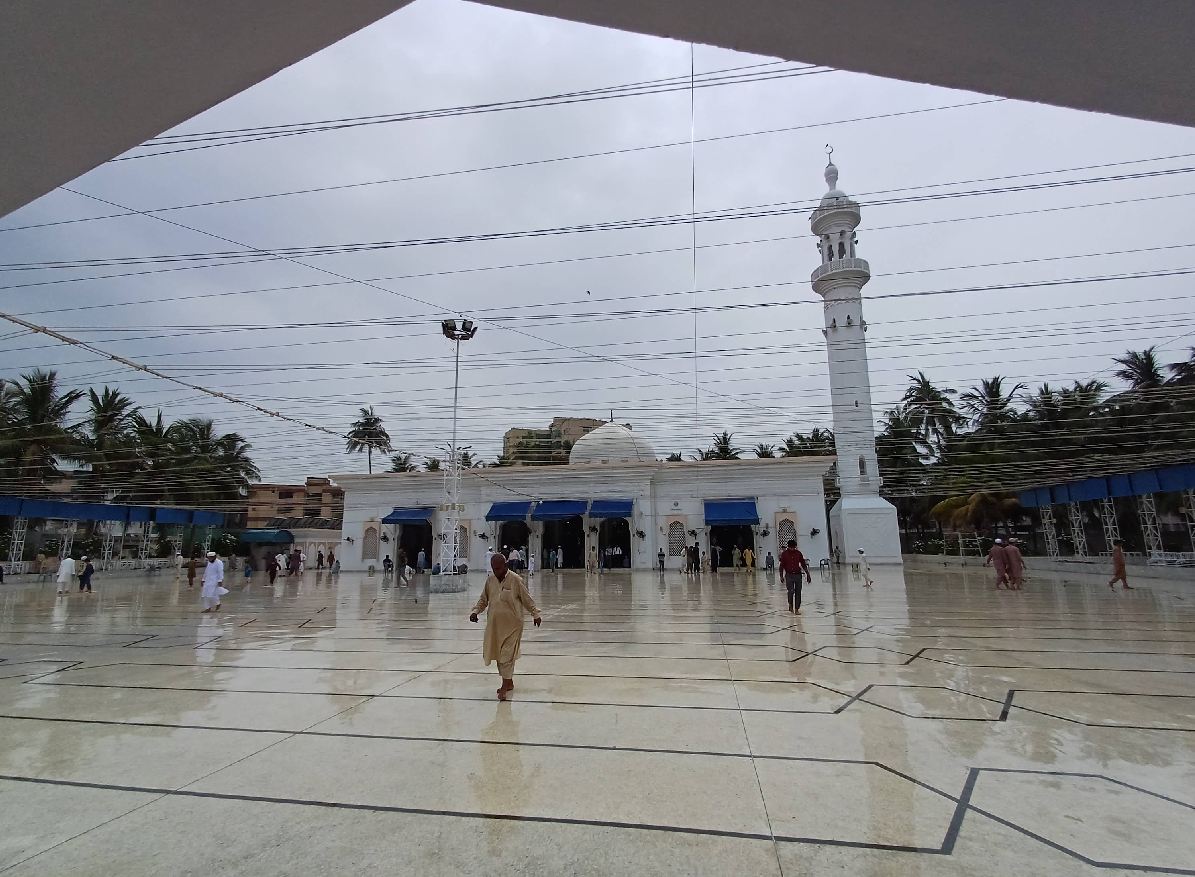
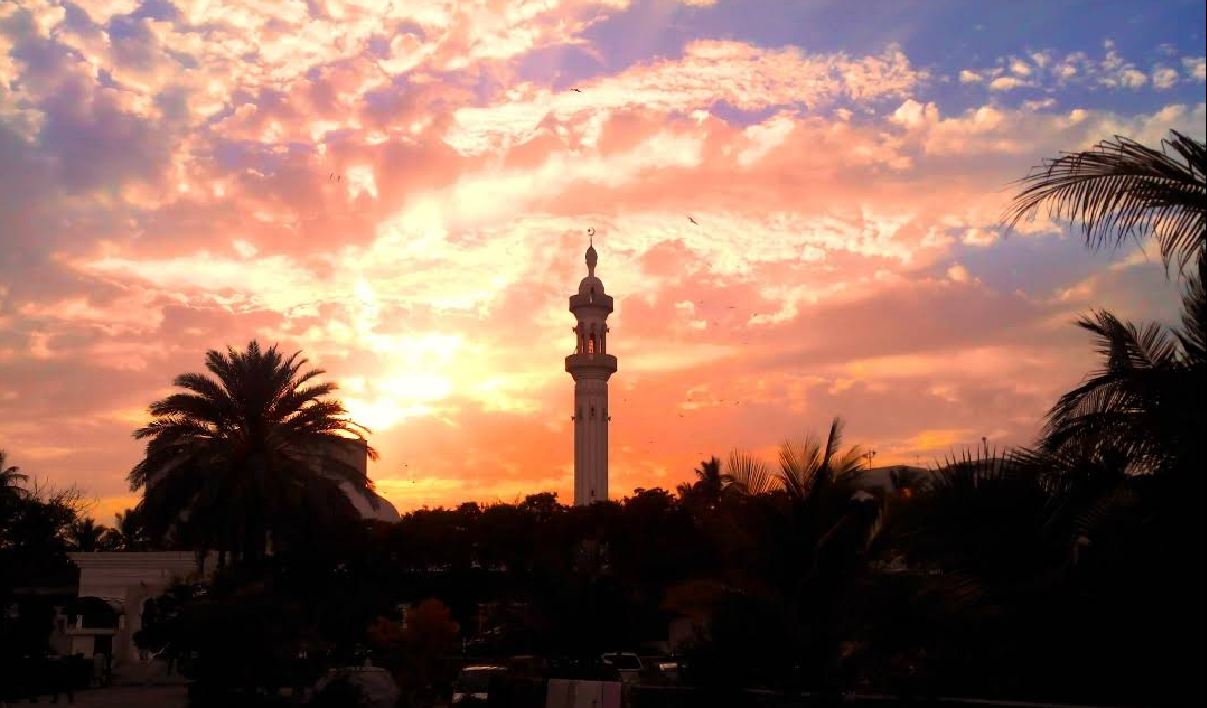
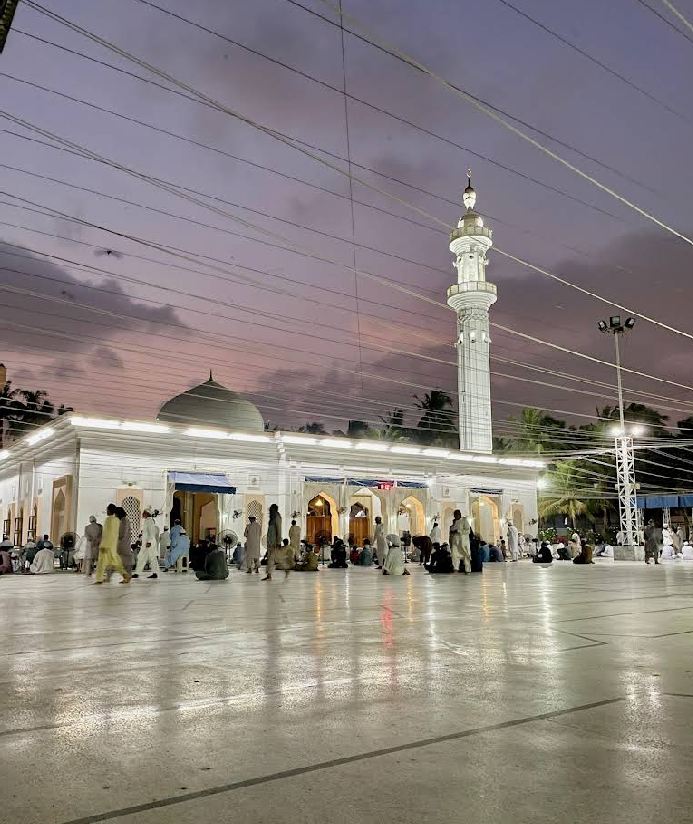
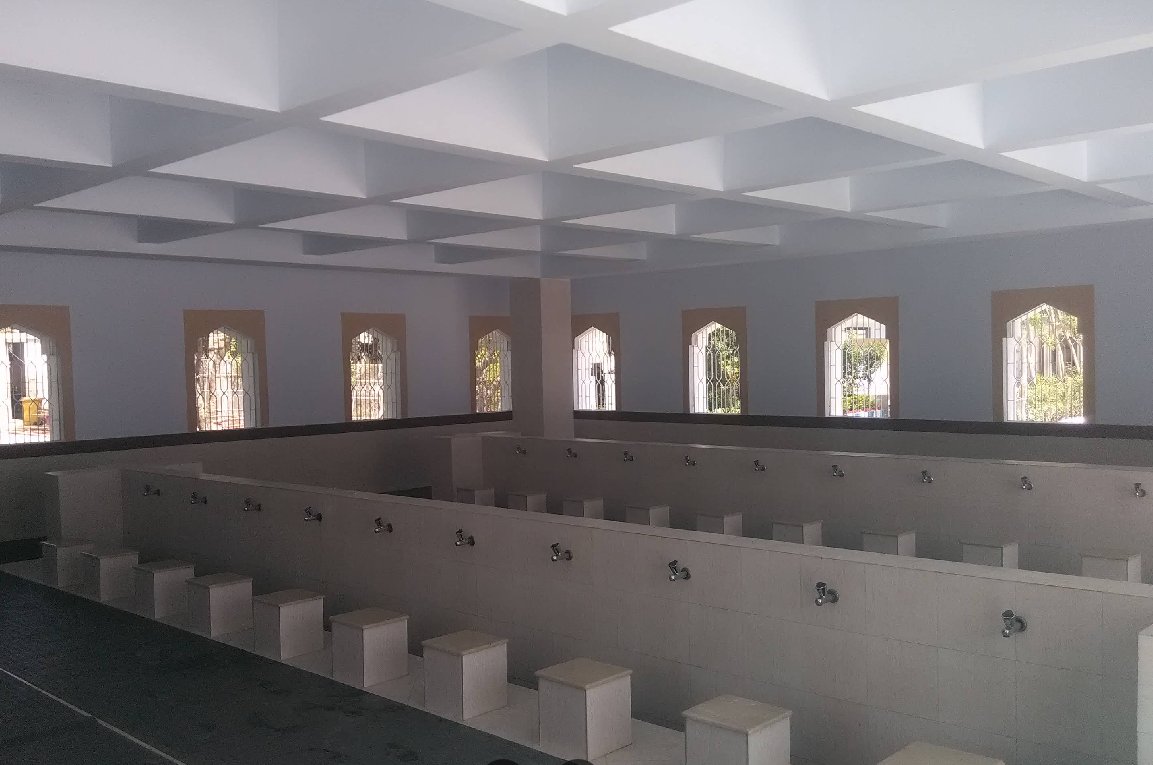
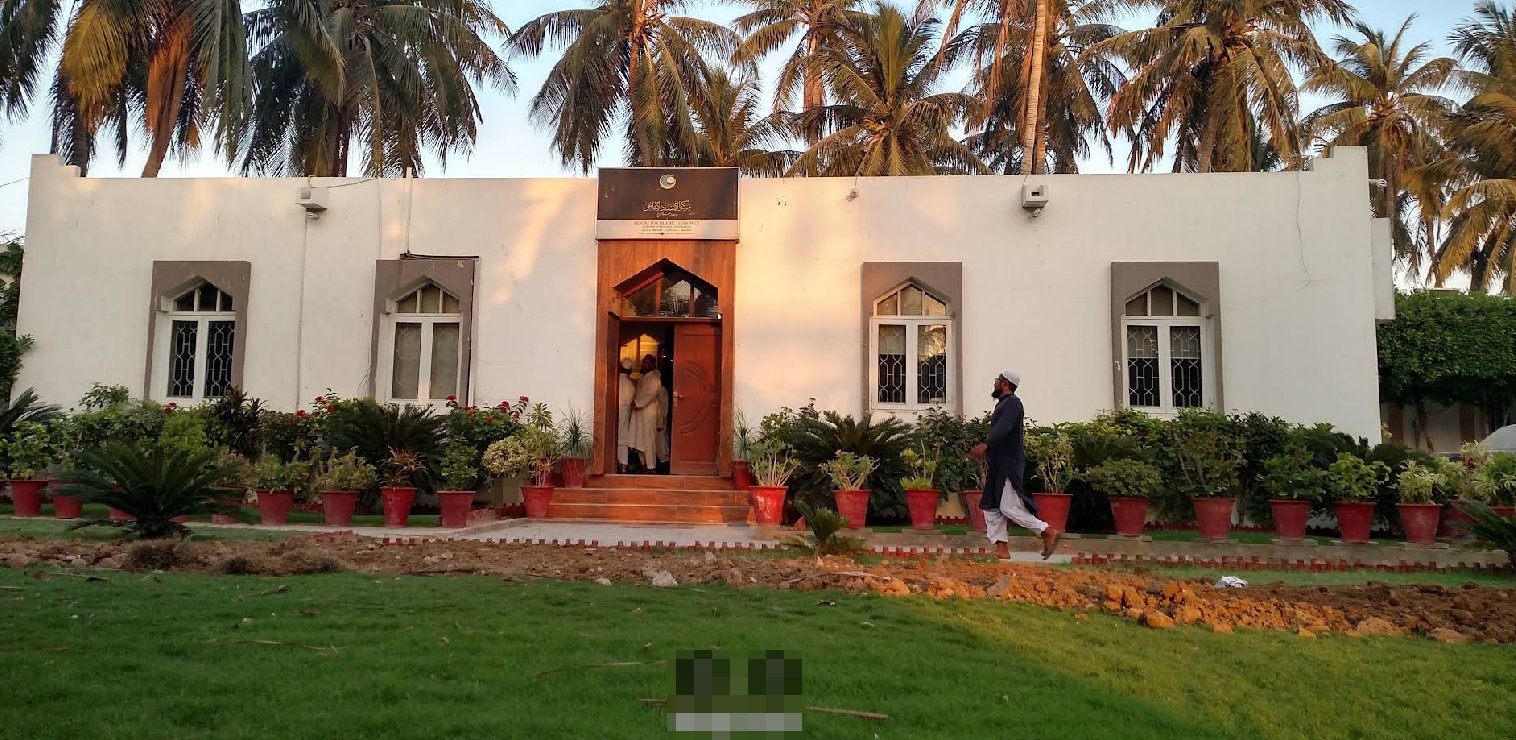
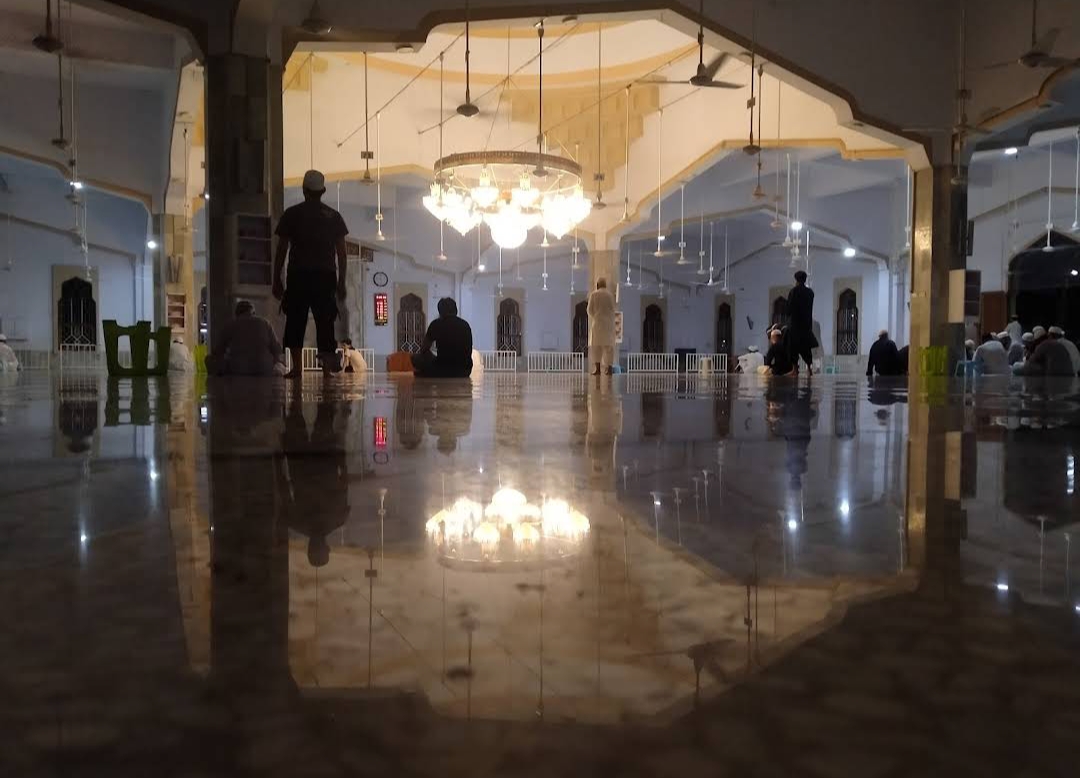
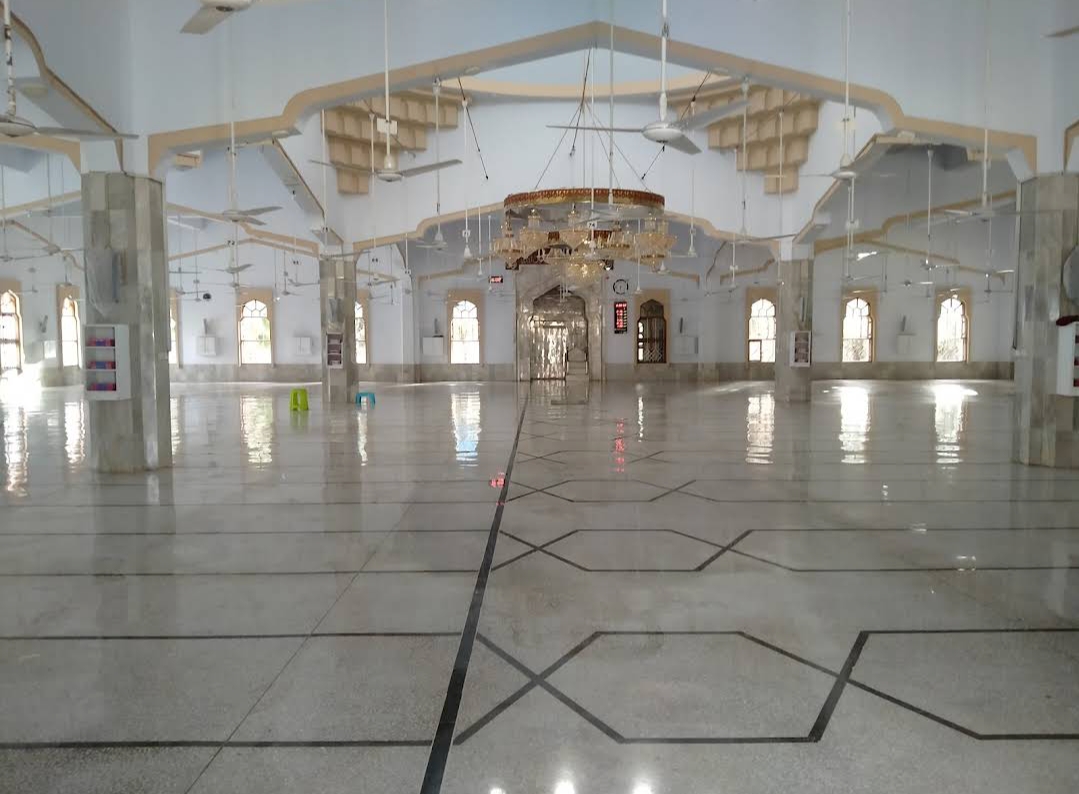
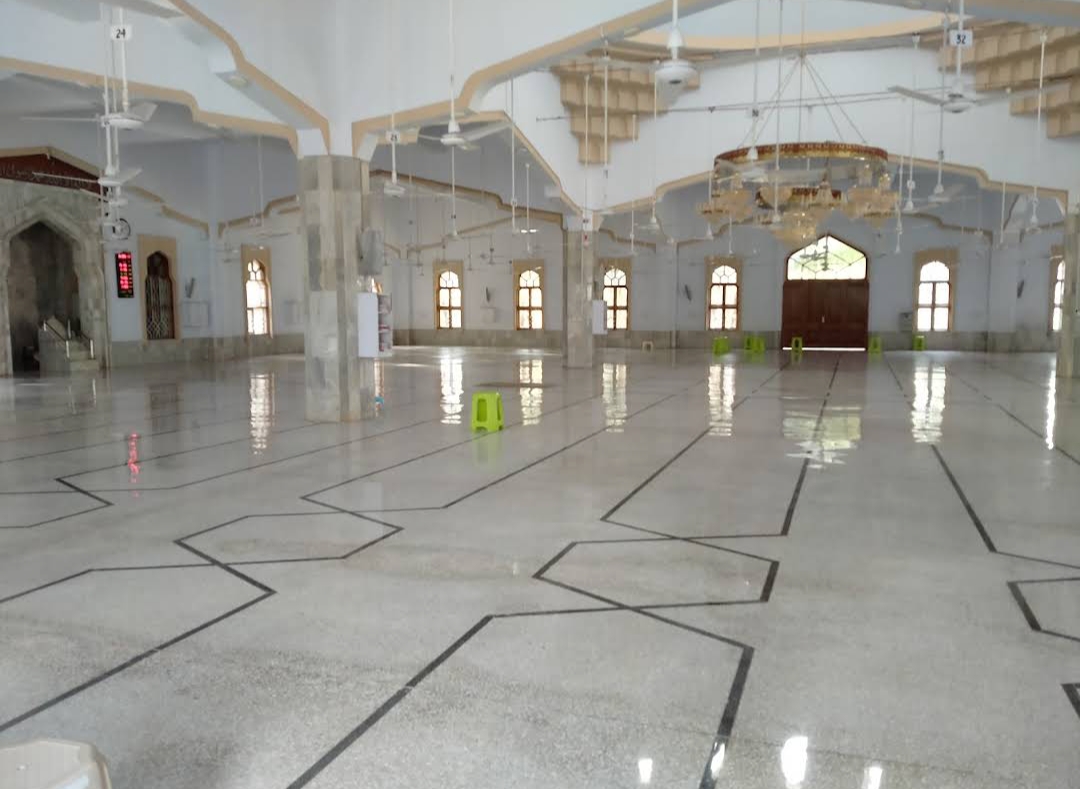
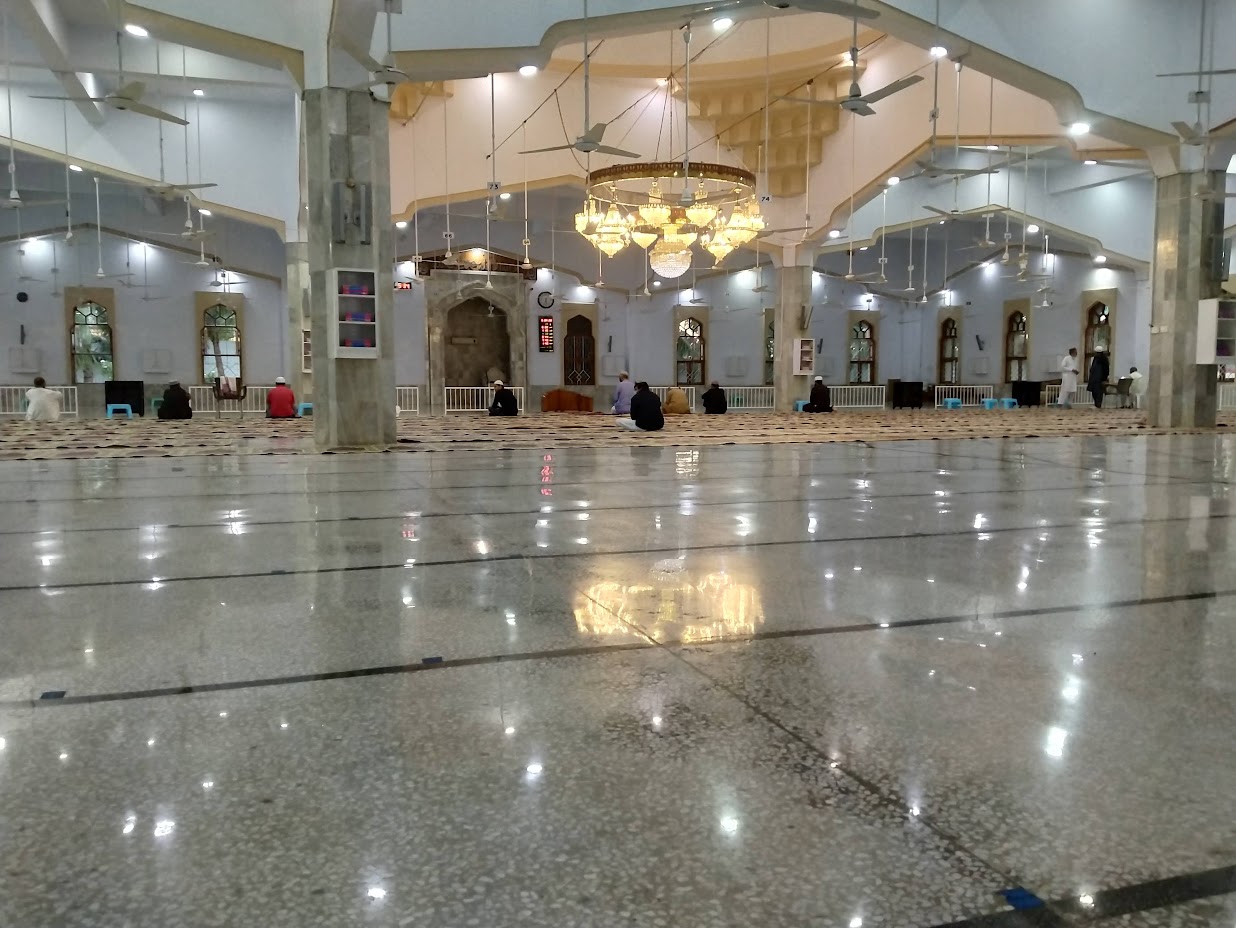
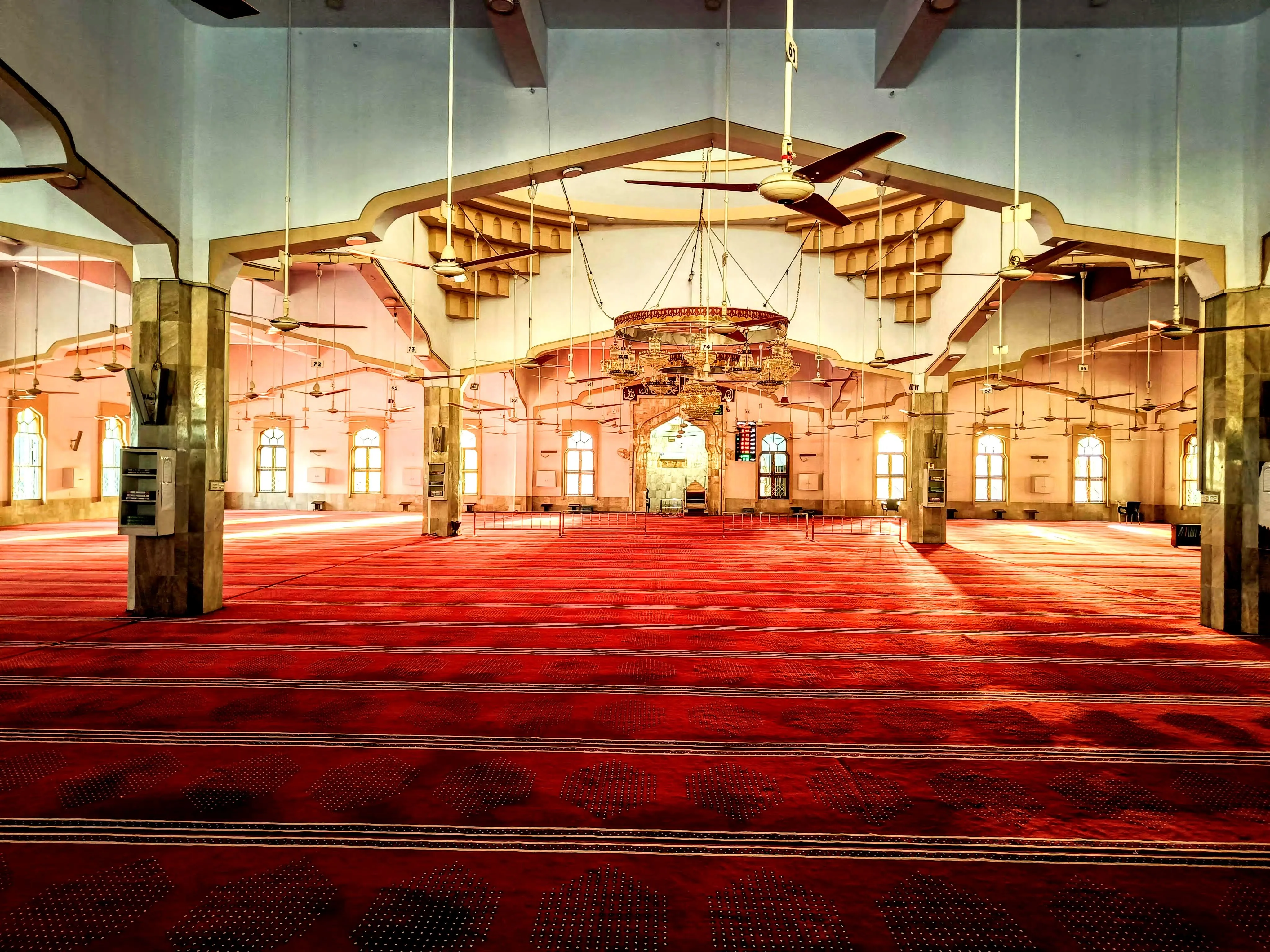
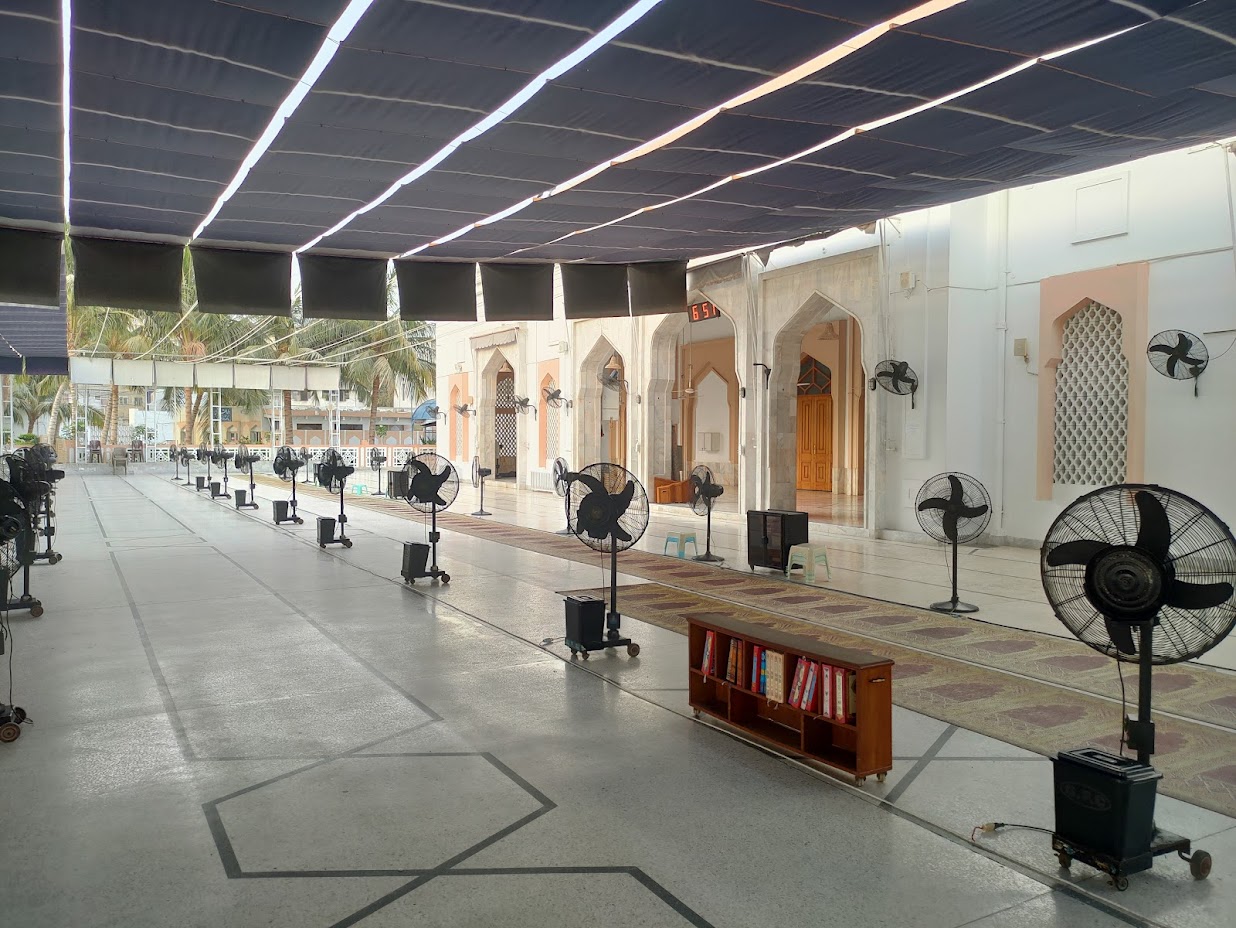
Click any photo to enlarge
"A place where the city's noise stops at the boundary wall — and what remains is only the call to prayer."
— A visitor's note, Google Reviews
Scholarship & Leadership
The Scholars of Bait ul Mukarram
Over the past four decades, some of the most eminent Islamic scholars of Pakistan have led Juma prayers and delivered lectures at this mosque. The succession of Khateebs reflects the mosque's deep ties with Darul Uloom Karachi and its tradition of serious Islamic scholarship.
Surah Al-Fatiha — His Recitation
Administration
Nazims — Those Who Kept the Mosque Running
Behind every well-run mosque is an administrator who handles the countless practical responsibilities that keep it functioning day to day. At Bait ul Mukarram, the role of Nazim (administrator) has been filled by dedicated individuals whose quiet service has kept this institution going for decades.
Hazrat Maulana Najeeb ul Haq Thanvi Sahab RA was the longest-serving Nazim of the mosque, holding the position from its early days until the late 2000s. His tenure spanned the formative decades of the mosque and he played a central role in establishing its systems, its routines, and its character. Mufti Abdullah Memon Sahab and Mufti Abdur Rauf Sakharvi Sahab have also served as Nazim at different points, each contributing to the mosque's ongoing administration and growth.
The Voice of the Azan
Muazzins of Bait ul Mukarram
A mosque is known not only by its scholars but by its azan. At Bait ul Mukarram, the call to prayer has always carried a particular quality — soulful, unhurried, and recognisable from far away across the Gulshan-e-Iqbal neighbourhood. For those who lived near the mosque, the azan of Bait ul Mukarram was a daily landmark, as familiar as the minaret itself.
His Azan — Recorded 2004
His Azan
Regular Programs
Weekly Bayan Schedule
Beyond the five daily prayers and Juma, Bait ul Mukarram has maintained a consistent programme of public bayans for decades. These are open to all — men attend in the main hall, women in the dedicated screened area — and draw regular attendees from across Karachi.
After Isha
A regular weekly bayan by the mosque's Imam on topics of self-reformation, islah, and the Sunnah. Ongoing since he became Imam in 1986.
Asr to Maghrib
A Sunday afternoon bayan between Asr and Maghrib, with separate arrangements for men and women (in full pardah). This programme has been running since the early 1990s — originally by Mufti Taqi Usmani Sahab in the 90s, then by Mufti Abdur Rauf Sakharvi and Mufti Mahmood Ashraf Usmani in the 2000s, and since 2007 by Mufti Zubair Ashraf Usmani Sahab.
Before Juma
Weekly Juma prayers led by the current Khatib. Mufti Taqi Usmani Sahab's landmark tafseer series (2008–2021) was delivered as a pre-Juma lecture at this mosque and is archived in full on NooreSunnat.com.
All five daily prayers are held with congregation. The mosque is open throughout the day and welcomes visitors for prayer at any time.
Within the Boundary Wall
Institutions on the Premises
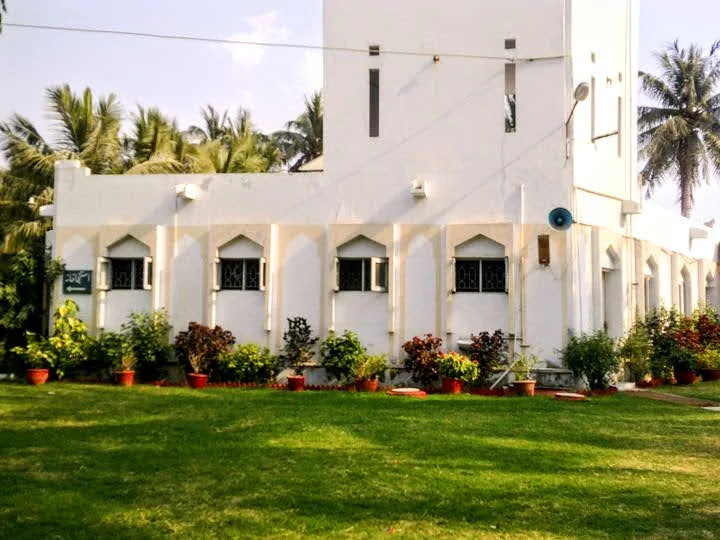
The mosque is more than a place of prayer. Within its 5-acre compound, several institutions operate that serve both students and the wider community.
NooreSunnat & Bait ul Mukarram
The Connection Between NooreSunnat.com and Baitul Mukarram Masjid
NooreSunnat.com began as an effort to preserve what was being said at Bait ul Mukarram. The first recordings were made in 2001 — cassettes and CDs distributed to whoever wanted them, long before a website existed. A small group of individuals who attended these gatherings regularly felt that what they were hearing was too valuable to remain within four walls.
The website launched later, and over the following years the archive grew to include every major scholar who has spoken here: Maulana Sahban Mehmood, Mufti Taqi Usmani, Mufti Mahmood Ashraf, Mufti Abdur Rauf Sakharvi, Mufti Zubair Ashraf, and Maulana Mehboob Elahi. The tafseer series Mufti Taqi Usmani delivered here from 2008 to 2021 is among the most widely accessed content on the site — millions of plays across two decades.
NooreSunnat.com is independent. We do not represent the mosque, Darul Uloom Karachi, or any of the scholars in an official capacity. We record, preserve, and share — for the sake of Allah and with the hope that these voices reach whoever needs to hear them.
Listen to 3,000+ lectures from Bait ul Mukarram
The full audio archive — tafseer, bayans, Quran recitations — freely available to anyone, anywhere.
For questions or to get in touch, visit our Contact page.
Browse All Audio → Mufti Taqi Usmani TafseerAddress & Directions
Jamia Masjid Baitul Mukarram Directions and Address
Jamia Masjid Bait ul Mukarram is on Main University Road, Block 8, Gulshan-e-Iqbal, Karachi. It is easy to spot from the road — look for the boundary wall and the minaret rising above the palm trees. Ample parking is available on the road outside the mosque.
Open in Google Maps → | +92-21-35123031